The long and winding road.

Hi everyone,

The title of the post refers to my fifty-plus year photographic journey which, I’ve been fortunate, has led me to some fabulous places. Over the last few months I’ve not been able to get out anywhere near as often as I have before. The steady and; most recently dramatic, onset of my osteoarthritis and the effect that it has had on my mobility and ability to get out and stay out has made it considerably difficult to get out and about and take pictures. This has had a detrimental effect on my morale as I’ve found it increasingly frustrating and annoying to the end that I’ve on more than one occasion considered selling my gear and calling it a day.

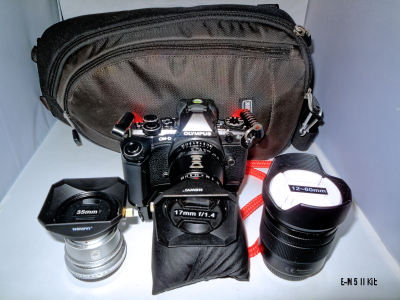
Of course this is probably something that I’ll never let happen as my love of photography has been a huge part of my life for so many years but nothing focuses the mind (pun intended) as being in near constant pain. For some while now I’ve been refining my choice of gear in a steady effort to reduce the weight that I carry, the long and the short of it is that whatever I take with me is going to hurt, it’s about finding the best solution. So I’ve decided that I’ll just take one camera and one lens. This isn’t so much about the one camera part, as I don’t habitually carry more than one camera body, but rather the one lens part.

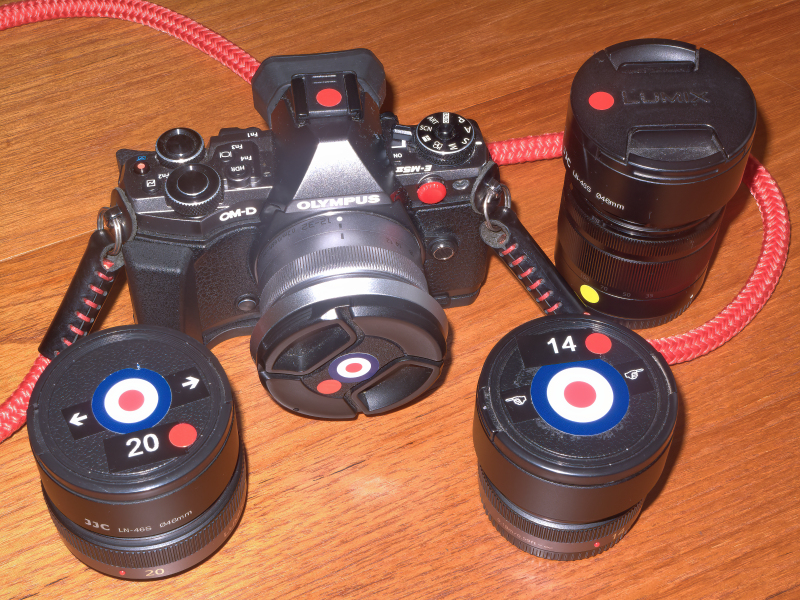
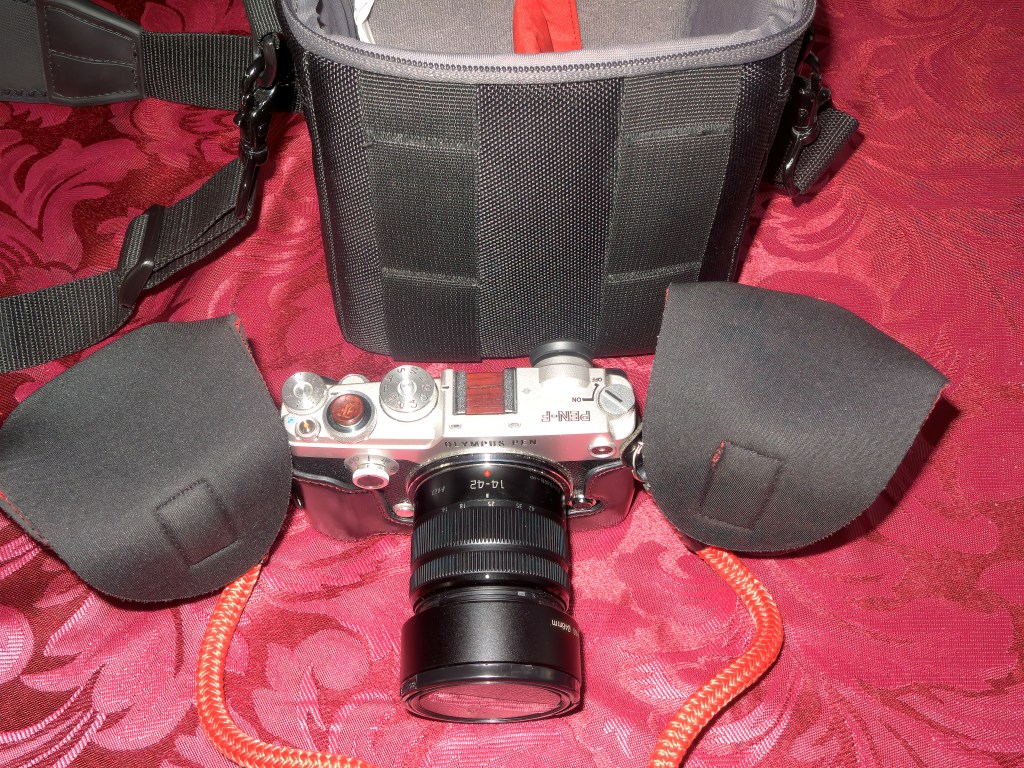
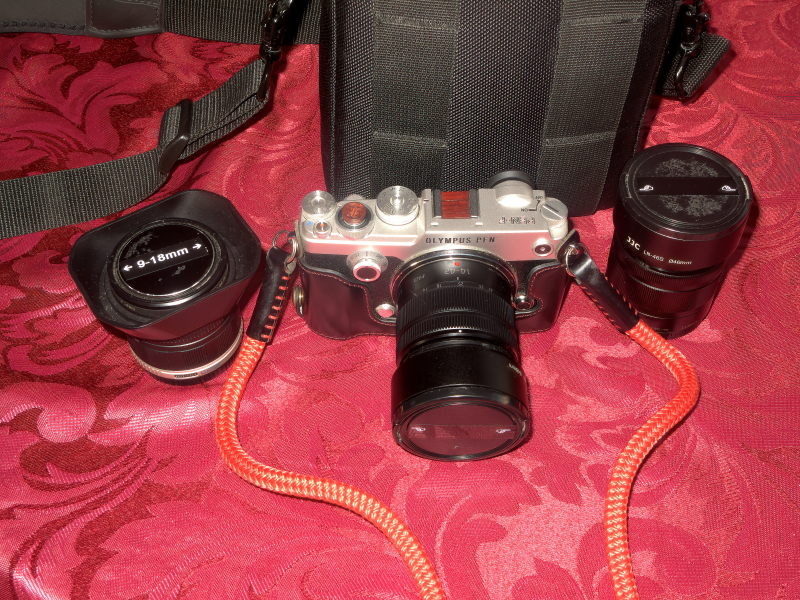
My choice of camera body is easy as for the last couple of years or so I’ve taken the vast majority of my shots with my Olympus PEN-F camera which ticks all the boxes. The lens choice is, on face value, far more problematical but I’ve come to a conclusion. Framing-wise, as my mind’s-eyes see things, most of my shots are taken in a relatively narrow focal length range which, along with weight considerations, makes things easier when it comes to making a choice. So my lens has to be small, light, ideally weather-sealed and cover a sufficient focal length range. With all of this in mind I’ve decided that my lens for the foreseeable future will be my Lumix 12-60mm or in 35mm terms, 24-120mm. I used this lens almost exclusively a few years back during my trips to Bruges and Porto and it’s a nice compact, lightweight, lens.

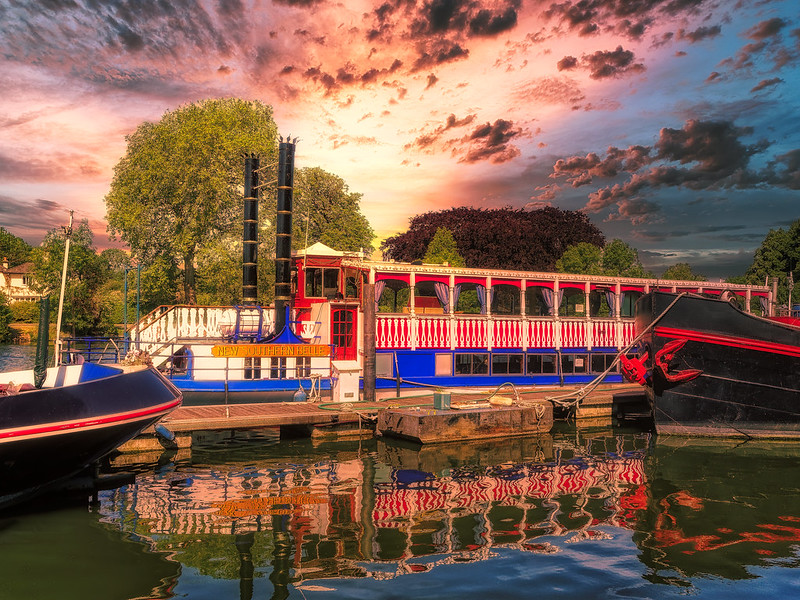
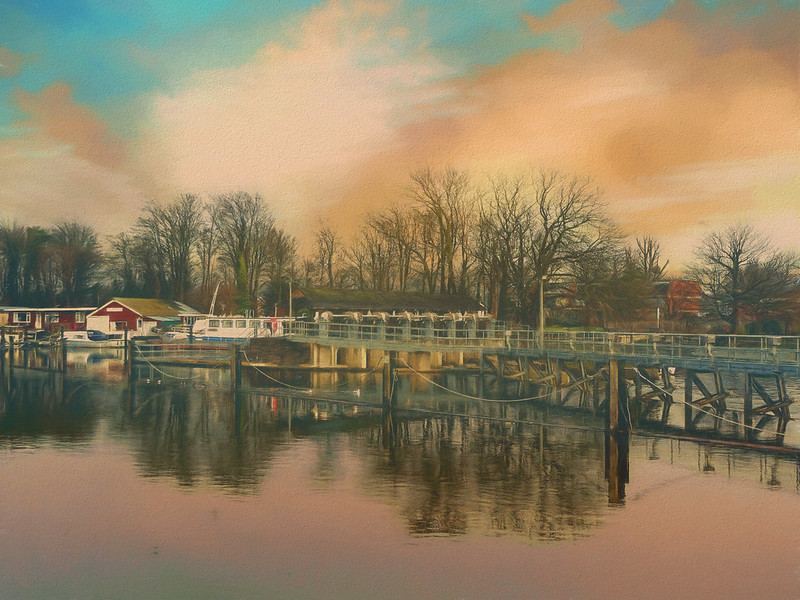
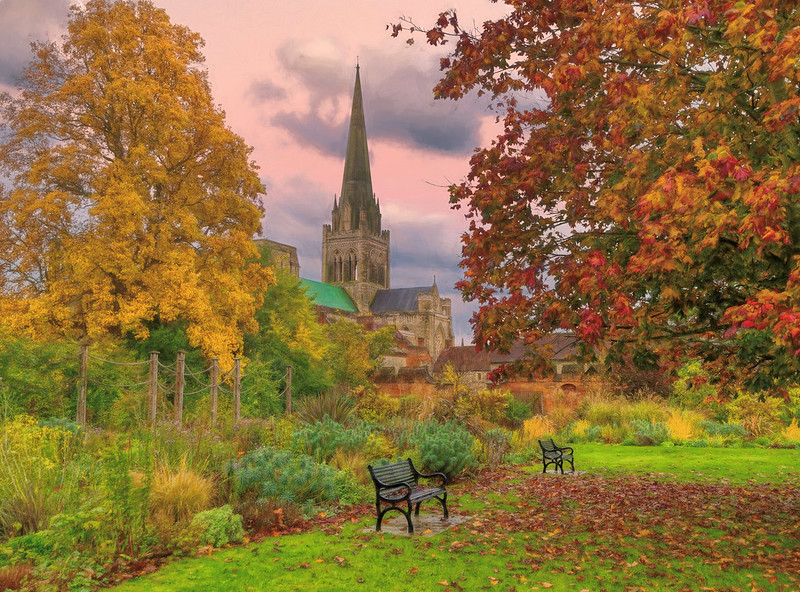
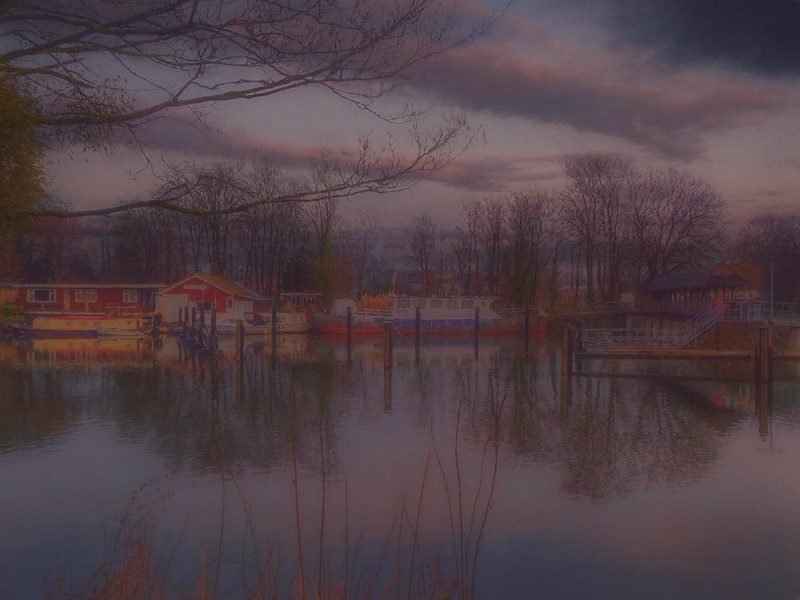
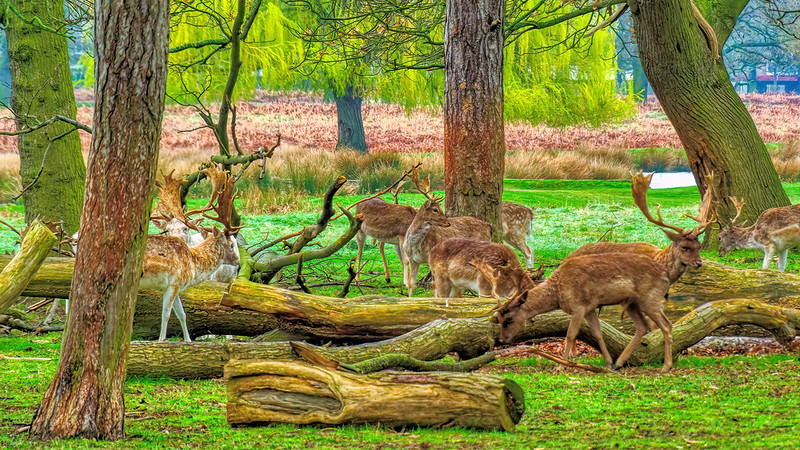
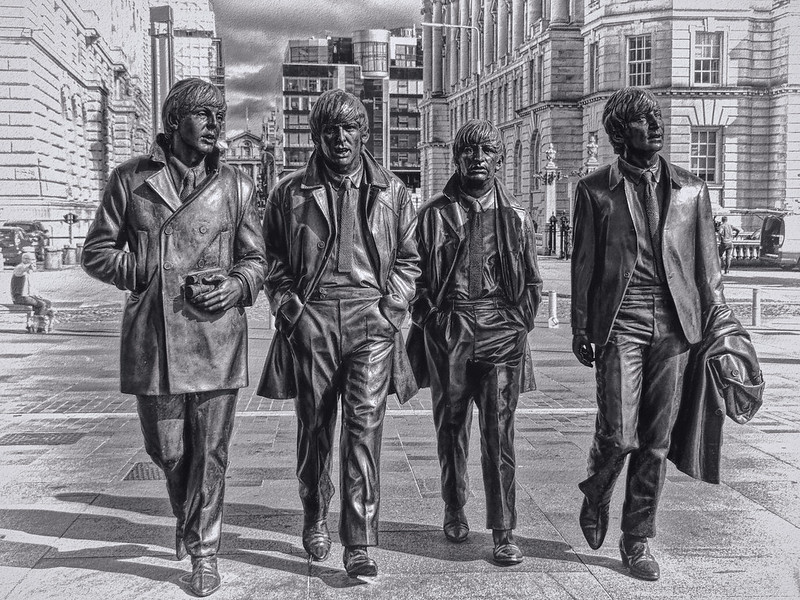
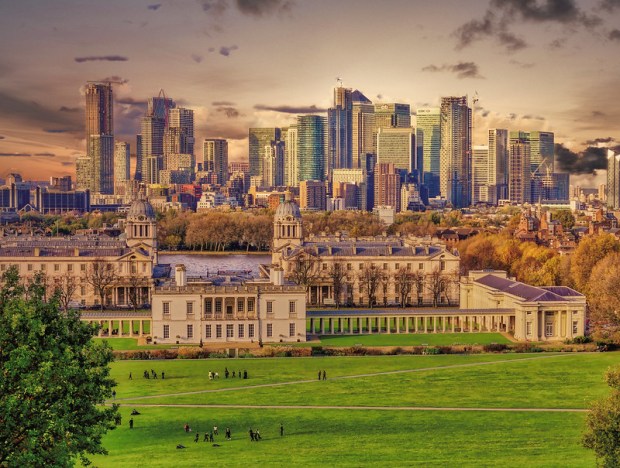
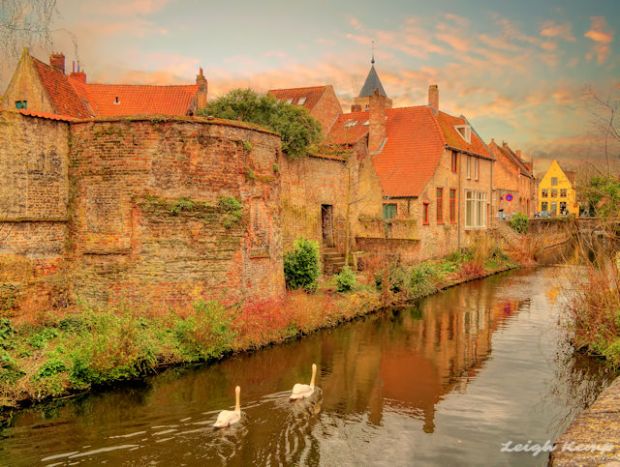
A few of my shots taken with this lens.

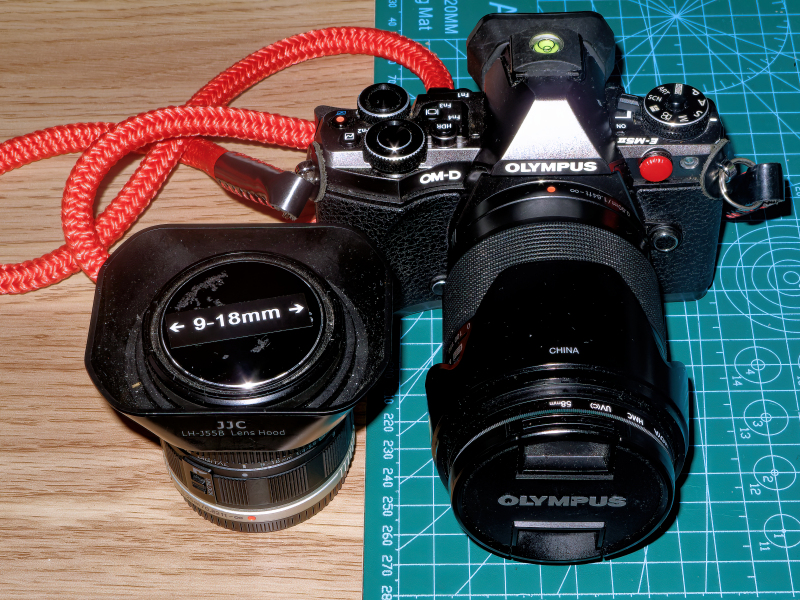
Alongside the above I’ve been thinking about why it’s been an easier decision than I thought it would be not to pack an ultra-wide angle lens such as my M.Zuiko 9-18mm and, when I have chosen to do so, why it’s seen relatively little use. Again it’s a mind’s-eye thing but there’s another factor too. As someone who mostly photographs landscapes, there’s an urge of sorts, when confronted with a great landscape, to want to get as much in the frame as possible. People rarely buy large prints and by large I mean 20×16 inch or bigger as they’re expensive. If one has a small print, say 10×8 inches or thereabouts the detail is largely wasted and is barely visible and one is better off with tighter framing, “less is more”.

Thanks for bearing with me and continuing to follow my blog, I don’t know how things will pan out long-term and I have a major trip planned for the Summer to some beautiful landscape locations but this will ultimately depend on my health as, right now, the thought of walking around all day, every day for a fortnight with or without my gear, is not a happy prospect but a lot can happen between now and then and I’m hoping that I can find a long-term strategy for coping with the pain. One thing is for sure, I’m not going to let this damn thing beat me if humanly possible, I’m very tenacious, a trait that I share with my wife. πŸ™‚

Kind regards,

Leigh

A crass decision by JIP (OM D Digital Solutions)

Hi everyone,

Β It seems like JIP have made some very bad decisions regarding some of their greatest “ambassadors” when it comes to providing them with the information and support that the need to fulfill the role, Robin Wong, Jimmy Cheng (whom I’m proud to say is a personal friend) and Peter Forsgard have hugely influential Youtube channels with many subscribers and a very loyal and appreciative following. If JIP persist in treating them this way then they’ll lose them and that would be an incredibly stupid and backwards-looking move on their part.

It might look “Mickey Mouse” but it works.

Hi everyone,

As, frustratingly, I’m largely confined to the great indoors my thoughts turned to using some of my gear to setup a small video filming rig. Like macro it’s not really my thing. I have tried video before but I really don’t have much to talk about to share with others, life here in Bognor is pretty dull at the best of times and especially so at the moment. The only thing that I miss about living in London is the ease and cost of getting to places by public transport.

It may look quite “Mickey Mouse” but the setup works well. I have the camera hooked up to both the computer so that I can use Olympus’ webcam software and also via a 2 way HDMI adapter to the monitor mounted on the camera and a HDMI to USB capture dongle which allows me to monitor the video whilst looking into the camera as well as simultaneously using OBS Studio software to record on the computer. Lastly, I am running the camera from a mains adapter connected via the grip.

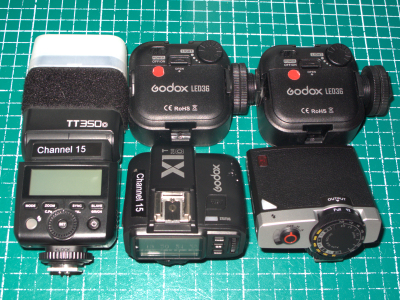
For lighting I attached my two small Godox video lights but they’re way too bright and harsh and, as a spectacle-wearer, they cause problems so I “adapted” them. πŸ™‚ I fitted linear polarising filters to them and then circular polarising filters and lastly those end caps that one gets on the cardboard tubes that poster-sized prints come in. The lens also has a circular polarising filter fitted. By rotating the circular polarising filter/diffuser on the light/s I can control the light output and also a nice diffused light. I also installed a couple of apps on my 10 inch tablet to use it as a softbox and/or a teleprompter.

Now all I need is something to talk about and I’m good to go! πŸ™‚

All the best

Leigh

Adapting an on the lens flash diffuser to fit micro four thirds lenses.

Hi everyone,

I’ve not been around much as I’m still having mobility issues due to my leg problems but I have been experimenting with some new ideas. I bought one of those flash diffuser things to fit on my lenses for macro and portraiture etc.. The problem is even the biggest of my MFT lenses is a smaller diameter than the hole in the diffuser so I had a rummage around in my gear and came up with this solution.

On the front I fitted a 67mm petal lens hood, one of those types with a large knurled locking nut which is a snug and secure fit through the hole in the diffuser. I then used a series of step up rings 46mm-58mm-62mm-67mm to attach it to the lens, in this case my 30mm Olympus macro lens. This will enable me to fit it to nearly all of my lenses as desired.

Hope everyone is keeping safe and well. I have another physio appointment soon so hopefully they’ll have some ideas what’s going on with the pain in my legs and I’ll be able to get out and get some more shots.

All the best,

Leigh

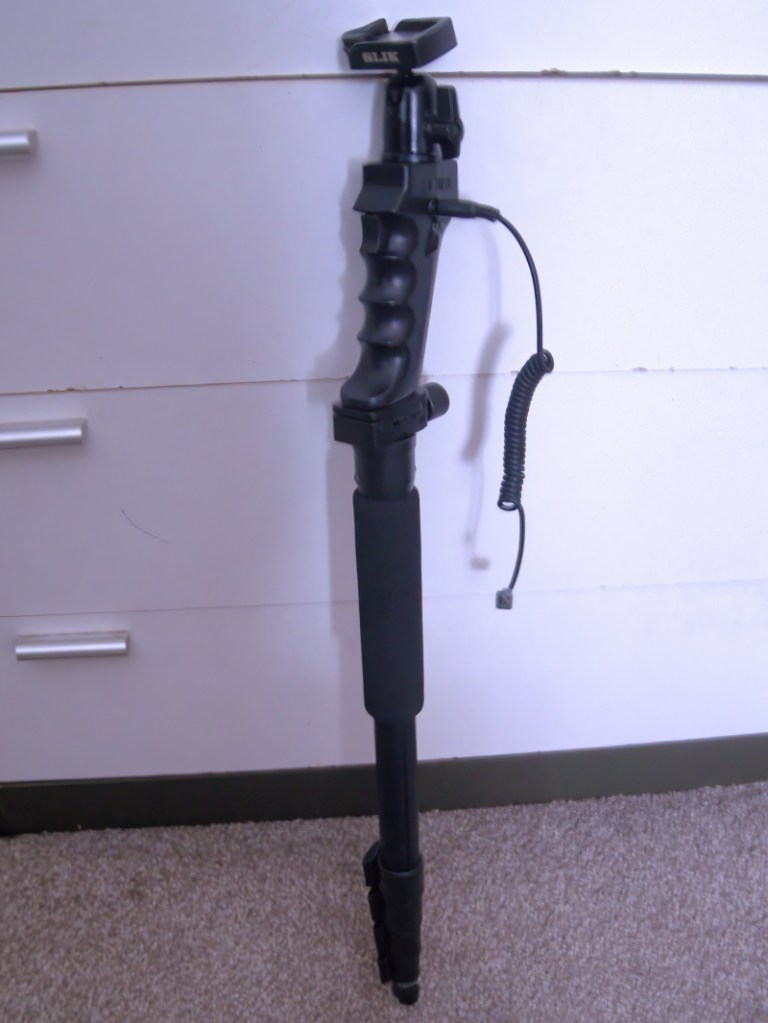
Walking stick/monopod fitted with my small SLIK ball head for lightweight cameras and lenses.

Hi everyone,

I’ve taken delivery of my walking stick/monopod and fitted it with one of my small SLIK ball heads with quick release plate. Height-wise it seems pretty good for me. I set the top adjustable section to 1.3 M mark (max. 1.4 M) with the bottom section fully retracted which seems about right for my height of approx. 5Ft 8 Ins. With both top and bottom sections fully extended it more or less extends the total length of the stick with a camera attached to my eye level. The two section are locked/unlocked with a simple twist-lock like some tripod legs. The top section also has a twist locking adjustment which allows the top camera mount to be rotated 90 degrees to vertical. There is also an anti-shock spring fitted in the middle to cushion it when walking and the rubber ferrule at the bottom pulls of to reveal a ground spike. As I can’t conceive when I’d need this I wound some insulation tape around it and refitted it to ensure an even tighter fit.. As we’re currently being somewhat battered by Storm Barra with some high winds and heavy rain I’m not in the mood for trying it outside today but I will post when I have had the chance to do so. I’m hoping that it proves useful primarily as a walking aid but also occasionally as a monopod. Not bad value for Β£14 with free delivery, some quick pics.

Kind regards

Leigh

Reusable Silica Gel Desiccant Humidity Moisture Absorb Dry Boxes and Walking stick/Monopod.

Hi everyone,

I recently took delivery of a few of these and I’ve popped one in each of my camera bags and my tech. pouch an interesting and refillable alternative to those small silica gel sachets. They’re supposed to change colour when they’ve absorbed moisture.

My leg and hip pains are sadly getting very bad now and I’ve ordered a walking stick which doubles as a monopod which I’ll report back on when I’ve had a chance to try it out. I don’t use monopods very much but I figured that if I had to have a stick then it might as well have a dual use. Not designed for heavy cameras and lenses but I should be okay with my lightweight micro four thirds gear, my TG-5, a small bridge camera or a point-and-shoot type camera. The top unscrews to reveal a tripod bush and I might fit one of my small SLIK ball heads with quick release plate. I’m determined not to let my physical problems stop me from getting out and doing what I love the best.

Kind regards

Leigh

Additional: Manfrotto Pro Light camera element cover E-690 for DSLR/CSC

Hi everyone,

Below, two shots of the rain cover fitted to my largest camera, my weather-sealed OM-D E-M1 with Lumix 12-60 mm lens, Cokin adapter ring and P series filter holder with modular hood. I removed the holder with hood attached, used the draw cord to tighten lens-side of the adapter ring and then refitted the hood. As it accommodates this combination then it will also accommodate my smaller PEN and OM-D camera bodies with my most favored day-to-day lenses.

Best wishes,

Leigh

Manfrotto Pro Light camera element cover E-690 for DSLR/CSC

Hi everyone,

I picked one of these up, it seems quite good. For some time I’ve been looking for a small sized rain cover for my Micro Four Thirds cameras. All the ones that I’ve seen and a couple that I have, are by comparison, quite massive and perhaps better suited for a larger camera and lens setup on a tripod. There’s a large zip running the length of the bottom to insert the camera, two sleeves, a generous size transparent plastic panel and it fastens to the lens hood with a stiffened detachable collar which can be attached by a wrap-around velcro strap and another draw cord. It scrunches up pretty small into one of my waterproof pouches and is very light. It’s quite quick and easy to fit, I’m not sure if I’d ever do up the draw cords on the sleeves though, too much hastle and how exactly does one do up the other one with one hand already in the cover?, a job for the late Houdini perhaps. πŸ™‚ One could leave off the collar and just use the draw cord to tighten around the lens hood as a matter of choice, depends on the size of the lens and hood I guess.

I think that they’ve been around for some time and were made by Kata and badged by Manfrotto. They seem a bit hard to get hold off but I found it on E-Bay. I believe that they also did larger sizes but this model is a good size for my gear, not perfect but a lot better fit than my previous efforts. It comes, like my other Manfrotto products, with a 5 year warranty if one registers it on their website.

To be clear, I find all rain covers to be a pain in the posterior to use but, as I was explaining to a friend, there’s nothing more frustrating than, when out travelling especially abroad and, like as not, you’ve paid a lot of money to get there and it rains heavily as has happened to me quite a few times and not being able to take photos and this is so small and light that one doesn’t know that one’s got it in one’s bag or pocket. As the old saying goes “the best camera is the one that you’ve got with you” the same is true of a camera rain cover. You may not need it that often but, when you do, you’ll be more than glad that you’ve got it with you.

Best wishes,

Leigh

A few simple cold/wet weather tips.

Hi everyone,

As the winter is with us in this part of the world, a few simple tips. Forgive me if you already know of them or do the same but I thought I’d pass them on.

  1. If you use a camera bag rain cover make sure that you have something to store it when it gets wet away from your gear. A suitable plastic bag or waterproof pouch will do. Better still if you can let it air dry.
  2. If you use a camera rain cover the same applies as above.
  3. In cold weather keep spare batteries warm (and most importantly dry) in an inside jacket pocket to help maintain and ,to a limited extent, recover a little of their charge. I have my spare batteries in a small waterproof plastic case arranged in such a way as to prevent the risk of shorting. So I can pop this case into an inside jacket pocket. I never carry loose batteries rattling around in a bag or pocket.
  4. I always pop a couple of those small silica gel pouches in my camera bags to absorb any moisture.
  5. If you have a weather-sealed camera remember that it’s weather-sealed and not totally water/dust proof so I usually carry some form of camera rain cover for use in heavy wet/dusty conditions and the same doubly goes for my non weather sealed gear.
  6. If using a camera rain cover and using the camera’s LCD screen which is usually heavy on battery usage remember if possible to fit a fully charged battery and use sleep mode to save battery life as much as possible. It’s a drag to have find shelter and remove and refit the rain cover to change a battery.
  7. I also take one of those cheap household microfibre cloths in a plastic bag with me in a pocket to dry anything off if necessary as they’re super absorbent.
  8. If your gear gets exposed to salt water and/or dust, sand etc. clean these off as soon as possible as they’re abrasive/corrosive. If you have a weather-sealed camera you can use clean water to gently rinse them off.
  9. I usually have a lens protect filter fitted in inclement conditions as it’s easier and safer to clean raindrops, water splashes, dust, sand etc. from this than the front lens element. It can also be removed and cleaned later. Wash off dust/sand etc. before using a lens cloth or suchlike to avoid scratching the filter with abrasive dust/sand particles.
  10. If moving from a cold environment to a warm one watch out for condensation, I’ve seen it addressed by putting the camera with lens attached into one of those zip lock freezer bags along with some silica gel pouches before entering a warm environment and waiting until all the condensation has cleared before removing it. What you want is for the condensation to form on the outside of the freezer bag like it can do on the inside of a window in cold weather.

As the old adage goes, “better safe than sorry”.

K ind regards

Leigh

PS. I forgot to mention, use a lens hood as it helps to keep water off of the front of the lens.

MEFOTO BACKPACKER AIR TRIPOD

Hi everyone,

Those that have followed my blog for any time will know that I absolutely hate tripods. Firstly, they slow me down and don’t work well with my liking for “walk-about” photography. Secondly, and personally very importantly, I find their weight and bulk fatiguing. So, why am I mentioning this tripod?. This isn’t a review, there are plenty of those around for this tripod but rather my rationale for even owning this one. I’ve read so much stuff about how one cannot do handheld HDR and/or serious landscape photography without using a tripod so how come I’ve been doing it habitually for years with consistently reliable results without one?. The answer is simple, great image stabilization, making use of any available support and being aware of what shutter speeds one is taking the shots at, that and very importantly, great HDR software.

Let’s start with weight, a huge factor for me, I’ve not spend a lot of time and energy refining my kit down to the most compact and lightweight configuration that I can just to add a lot of weight by carrying a heavy tripod especially as, on the occasions when I have chosen to take one with me, 9.99 times out of ten I just end up carrying it around and not using it very much and, frequently, not at all. So, I try and only carry a tripod when I’m pretty darned sure that I’ll require one, for example very long exposures and that hasn’t changed one bit but if I’m going to have to do so then it has to be the most compact and lightest one that I can find and, to-date, this is it. I think that its compact size and low weight make it a very good travel tripod option. I’ve owned it for quite a while now and it’s the only full-sized as opposed to tabletop tripod that I’ve used since buying it which must say something

As a user of Micro Four Thirds gear it works well as my cameras and lenses are all compact and lightweight. It’s not the tallest tripod in the world and not well suited for anyone who is tall and definitely not suited for heavy cameras and lenses but, for my needs at approx. 5 ft 8 inches tall with lightweight cameras and lenses it gets the job done. Typically I’ve done a few simple modifications to suit my personal preferences. It comes with a nice small carrying bag with decent sized cord strap which, unlike some bags with a thin cord, doesn’t cut into one’s neck and shoulder too much. I’ve covered over the large ME FOTO logo with some black gaffer tape as I’ve done with the logos on all my bags. I don’t wish to be an unpaid walking advert for anyone’s gear or draw unnecessary attention to the contents. The metal tripod legs are pretty slippery especially on a cold day if one’s wearing gloves so I’ve taped some neoprene round one leg to make it easier to grip when carrying. Lastly I’ve added red and yellow sticky dot labels to aid in quickly differentiating between the quick release plate and ball head locking knobs.

A couple of shots, You can judge the size by the A4 cutting mat.

So that’s my favorite go-to kit for the foreseeable future.

All the best,

Leigh

PS. I forgot that I had this 5 Litre capacity dry bag which easily accommodates the tripod and my intervalometer and maybe a few other small things like sandwiches? and is of course water proof and it has a bigger and wider strap. πŸ™‚ It could also be filled with something heavy like stones from the beach and hung under the tripod to add extra stability if required. Making sure of course that one has removed one’s sandwiches first. πŸ™‚