Is my blog still of interest?

Hi everyone,

I was wondering if my blog was still of interest. I’ve been posting to my blog for more than ten years now, met lots of interesting folks from all walks of life that share my passion for photography and travel and had a lot of fun along the way, where has the time gone?! πŸ™‚ . Unfortunately and extremely frustratingly I’ve been unable to get out and take as many photos as I could in previous years however I try and seize every opportunity I get. I try and post what I hope are useful and interesting posts on photography related gear and techniques that I use as well as posting my photos as often as I’m able to. I’ve had to tighten my belt quite a lot in the last few years in order to significantly cut back on my online expenses such as my former website, online galleries and online print sales site subscriptions and concentrate on more important issues such as keeping a roof over our heads, food in our bellies, winter heating and a host of other domestic expenses. So maybe now is the time to examine if my Blog is still of interest to folks?.

Kind regards

Leigh

Geotagging your shots.

H everyone,

For some years I’ve been taking a small lightweight Bluetooth GPS data logger with me on my travels. This device is very useful when travelling as an aid to recording where my shots were taken especially when viewed at a later date when things aren’t so fresh in one’s memory. Simply switch it on before leaving for the day, pop it in one’s pocket or camera bag and switch it off again later. I have a Holux RCV-3000 data logger which I bought eight years ago now. It’s about the size of a matchbox has three LEDs on it which show GPS satellite connection status, Bluetooth active and power/charging status, an on/off switch and a Type B mini USB port. It runs off a small, inexpensive, easily obtainable, replaceable rechargeable battery for which I have a spare and also a separate USB battery charger so that I can charge a battery outside of the unit and the battery lasts quite a good time between charges and it can also be powered via USB, a USB power bank for example. It connects to either the computer by USB cable or my Android phone via Bluetooth connection so that one can download and view the track files. It also fits nicely in one of my waterproof battery cases. Unfortunately I don’t think the company is trading anymore but I’m sure that there must be alternative makes and models out there.

Software-wise I use a free program called Geosetter which comes with a program called EXIF Tool to sync the GPS track data to my photographs and write the location data to their EXIF information. I also use some software called GPS Track Editor to view and possibly edit the GPS tracks . These programs also show the location of the shots on a map which is very useful. The important thing is to make sure that the date and time setting in one’s camera are accurate, I set them before each trip to make sure as it’s this date and time information that’s used to sync the photos correctly to the location. You can also correct for different time zones eg. daylight saving time but I keep my camera set to UTC time whilst travelling.

For my Android phone I use an app called GPS Device Toolbox to download the track files via Bluetooth to my phone for backup at the end of the day and clear the device’s memory should it become full and the device’s internal memory can record up to 200,000 position data sets and I’ve set it to record a waypoint every 10 seconds which is generally more than sufficient for my needs. I use another app called GPS Track Viewer to view the track files on the mobile phone all these programs and apps are free at the time of writing. I think that there must be comparable software out there for Apple devices.

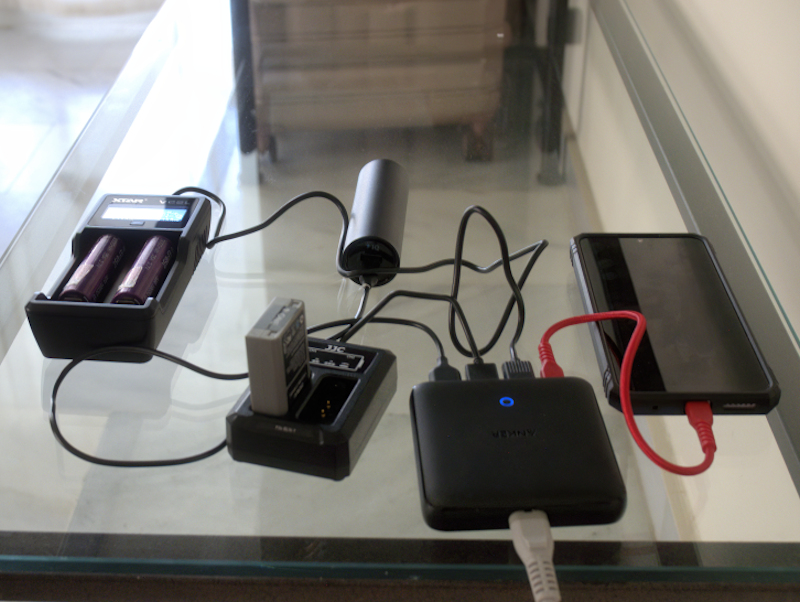
Additionally the data logger can act as a “Mock GPS Location Provider” and use it’s GPS rather than the phone’s inbuilt GPS via Bluetooth connection using the Bluetooth GPS app. There are cameras like my Olympus TG-5 with built in GPS and one could use the GPS in one’s phone but both would increase the battery drain on these devices, mission-critically in the case of my camera/s and for that reason I prefer to use a separately powered device. Along with my indispensable Anker 5-port USB charging hub and USB camera battery chargers it’s one bit of kit that packs itself.

Kind regards

Leigh

PS. Correction, the free version of Bluetooth GPS no longer supports Mock GPS Location, this free app does: Bluetooth GNSS , tested and working with my data logger.

I’ve been labouring this point for ages.

HI everyone,

Kind regards,

Leigh

Camera half cases, why fit them?.

Hi eveyone,

I’ve come to like camera half cases as can be seen in my previous post fitted to my Olympus OM-D E-M5 II and PEN-F camera models. I now have three, shortly to be four, of them fitted to my various camera models. For one, they add some extra protection from bumps, knocks and scuffs to the camera body as well as having a pop fastening flap for the battery compartment which proved very useful on one occasion in particular when the battery door broke on one of my cameras and I feel that they also improve the grip on the camera somewhat. They do also add a nice bit of retro styling to the camera which I like but that’s not the principal reason why I chose to fit them. I’ve also added Tile lost and found QR Code labels to the bottom of the cases as there’s nowhere on the camera bodies to attach them to. One can pick up the faux-leather ones for most models of camera on the likes of Ebay etc. and they’re quite inexpensive as camera accessories go.

If one values one’s gear, and what photographer doesn’t?, I think that fitting these is a “no-brainer” as my American friends say. Bash one of these and you can throw it away and cheaply replace it. Bash your camera body and that’s a totally different proposition with the considerable expense, inconvenience and hassle of getting it fixed always assuming that one can with out of production camera models, there’s more than a strong probability that it wouldn’t be cost-effective. At best you’ll reduce any re-sale value, at the very worst it could be a write off.

Kind regards

Leigh

Horses for my courses.

Hi everyone,

I am constantly revising and giving a lot of thought to my gear choices, partly based on experience and, unfortunately, ever-increasingly as dictated by my physical health. Below are three of my current favourite Olympus camera and lens combinations and my personal rationale for each.

Firstly, for travel, of the three, the middle weight combination my Olympus OM-D E-M5 Mk II camera and M.Zuiko 14-150mm II “super zoom” lens. Both are weather sealed with an excellent all-round focal length range without weighing me down too much. I’ve taken this camera and lens on lengthier travels and, like my other Olympus gear, they’ve performed faultlessly.

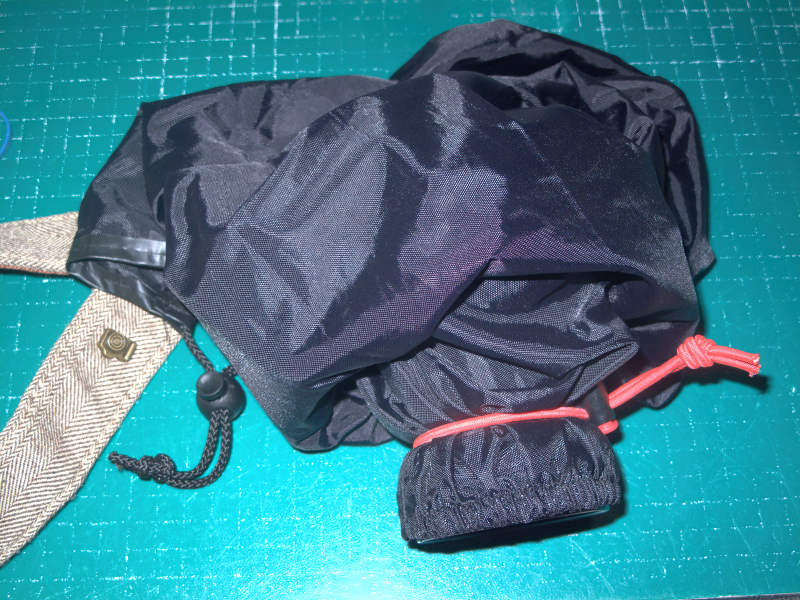
Next the lightest of my chosen camera and lens combinations, great for shorter stays and days out where I want to travel as light as possible whilst retaining as much versatility and image quality as possible, my Olympus PEN E-PL8, electronic viewfinder and M.Zuiko 12-45mm PRO f/4 constant aperture lens. Weather-sealed lens but not camera body but you probably won’t be surprised to hear that I have a suitable rain cover. πŸ™‚ This lens also has the useful added advantage of a very close focussing distance.

Lastly the heaviest of the three camera and lens combos my Olympus PEN-F camera and M.Zuiko 12-40mm PRO f/2.8 constant aperture lens, a lens which has achieved pretty much legendary status amongst Olympus Micro Four Thirds users. I’m a huge fan of this retro looking stylish camera with its 20MP sensor and the lens is the bigger and faster sibling to the 12-45mm lens and shares its build quality, weather sealing as well as having a manual-focus clutch mechanism and lens function button. Again, the body isn’t weather-sealed but I can use a rain cover if needs must. It was amongst the first MFT lenses that I bought and I used to use this lens a lot more on my travels but, although it remains a great lens, it is the heaviest of the three. Nowadays this combination is mostly reserved for “special occasions” and/or for when I feel I’m up to carrying the extra weight for any length of time.

Kind regards

Leigh

Tile Bluetooth trackers and lost and found labels.

I added the carabiners.

Hi everyone,

You know I love gadgets πŸ™‚ so I bought several of their Tile “Mate” and “Pro” models of Bluetooth trackers and a pack of their lost and found labels. As I am, by choice, an Android mobile user I chose these and I believe that they also provide an app. to work with Apple I-Phones. I’m going to pop one inside each of our suitcases for our next trip as well as my camera bag and stick the labels on some of my gear E.g. the lens hoods on my lenses, SDHC card case, Anker USB charging hub, Ravpower card backup file hub, Nitecore air blower etc., my wallet, passports as well as the suitcase luggage labels, much more secure and useful than putting one’s name and address on them and advertising to all and sundry that you’re away I think. For those unfamiliar with these type of devices they are very small square or rectangular-shaped, limited range, Bluetooth transmitters similar in function to the Apple Air Tags. You download their app on your phone, add your trackers and/or labels, your mobile is automatically added, and you can use it to locate the tracker if it is within range of your phone or another Tile user’s phone. You can also push the button on the Tile device to ring your phone should you have misplaced it somewhere within range, down the back of the sofa etc. πŸ™‚ and each device also has a QR code on it which, when scanned, sends them the details of your choosing eg. e-mail address, phone number and a short personal message. Useful as and when you might want to change your contact details without having to re-label things. Although not as popular and with a smaller user-base or, to use the trendy buzz word, “ecosystem” πŸ™‚ when compared to I-phones/Air Tags I was surprised to find on the map that there were about 450 Tile users within a small radius of my home location and we don’t live in a large Metropolitan area.

If the trackers are hi-tech items then the labels are good old-fashioned dumb-tech. They also have a QR code and the words “scan if found” and work the same way as the QR code on the trackers. I’m not suggesting that the trackers and labels are in any way a guarantee of finding your lost/stolen items should you unfortunately need to do so but they could well prove to be useful in doing so and anything that might help can’t be bad. A personal note about Bluetooth, I never leave it switched on all the time on my mobile phone as I feel that there are security risks associated with doing so but rather I switch in on when I occasionally need to use it and promptly switch it off again when I’m finished.

If this is of interest you can find more info on their website: https://www.tile.com/en-gb as always, I do not have any affiliation with the manufacturers and the items mentioned in this posting have been paid for entirely out of my own pocket for my personal use.

Kind regards

Leigh

My new camera bag performed very well.

Hi everyone,

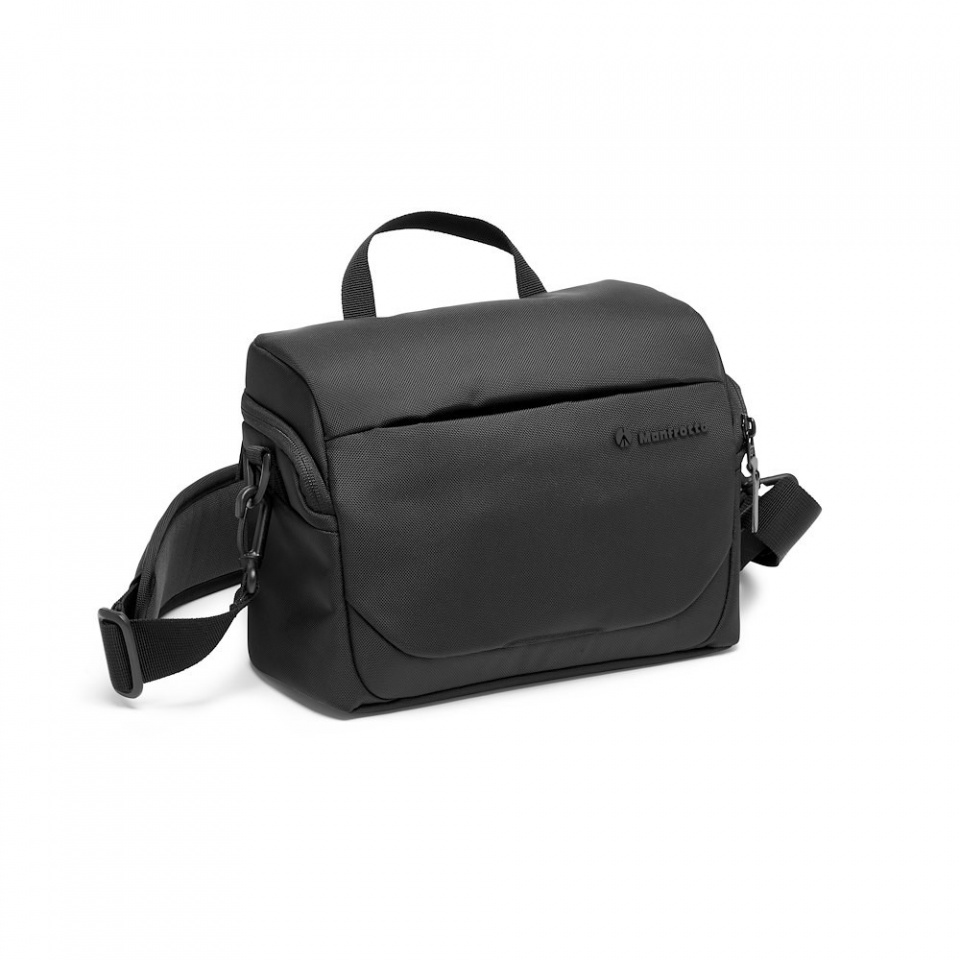
I promised that I’d report back. I am very happy with my new Manfrotto Compact 1 Advanced Shoulder Bag for CSC camera bag which I took to Corfu. Size-wise and weight-wise it’s absolutely perfect for my needs and is a great fit under the seat on flights out of the way of anyone kicking it. I prefer this to using the overhead lockers as folks are pretty ruthless and often inconsiderate when cramming their bags, cases, clothing, duty free and holiday souvenirs etc. into the lockers and there’s always the possibility of some clumsy “person” causing my bag to fall out. It did rain lightly on a couple of occasions but not heavily enough to resort to fitting the bag’s rain cover and the bag contents stayed perfectly dry.

To give an idea of the capacity of the bag I managed to accommodate the following items comfortably:

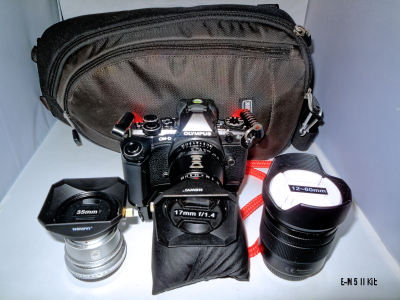
  1. E-M5 mk II camera with Lumix 12-60mm lens and hood attached.
  2. Lumix 12-32mm lens and hood.
  3. Lumix 14mm lens and hood.
  4. Anker 6700 mAh USB power bank in a drawstring bag.
  5. Spare USB camera battery charger.
  6. USB charge cable for above or my mobile phone.
  7. CPL filter and pouch.
  8. Several Zeiss lens wipe sachets.
  9. Microfibre lens cloth.
  10. Small lipstick-sized Matin lens brush.
  11. 4x 18650 batteries in rubber (short-proof) cases.
  12. 2 extra camera batteries in latching waterproof/short-proof cases.
  13. Rain poncho.
  14. Camera rain cover (which happily along with my other wet weather gear I didn’t need to use this time) πŸ™‚
  15. Bag rain cover.
  16. Small 4x SDHC card case.

Note: I mentioned “short-proof” a couple of times because, with good reason, airlines and airport security really don’t like batteries particularly high capacity rechargeable batteries rattling around loosely in one’s cabin bag without taking adequate measures to prevent them from shorting on something the consequences of which being potentially pretty dangerous (read getting very hot and catching fire) especially so in a confined aircraft cabin, even a bit of tape securely attatched over the battery contacts will suffice. Also take a moment to familiarise yourself with the latest regulations regarding the type of battery (eg. lithium-ion, lithium-polymer etc.), battery capacity (mAh) and per-type quantity of rechargeable batteries permitted in cabin luggage. Likewise, air-travel or not, it’s obviously always a good idea to take measures to prevent them from getting wet. Always make sure that you have a charged battery in your camera when passing through airport security as, if stopped, you’ll need to be able to demonstrate that it works and isn’t concealing something. The above can save you a lot of hassle and make life easier for yourself and safer for everyone.

Kind regards

Leigh

Nearly 50 years of using Olympus Cameras and lenses.

Hi everyone, Oh where did my youth go?! πŸ™‚

Next year marks the 50th Anniversary of buying my first Olympus film camera, the manual metering OM-1 compete with it’s standard 50mm lens. From the start I fell in love with this lightweight compact designed camera. I subsequently bought a couple of their TTL light metering OM-2 model, the OM-10 plus manual adapter thingy and lastly my favourite of the series the OM-4Ti. At one time I owned quite a range of as was at the time manual focus Olympus Zuiko lenses. To me these stylish iconic cameras were beautifully designed and, although it’s hard to find the right words, they just felt right in one’s hands and psychologically that’s very relevant as if it feels right then one can concentrate on the job in hand. I’ve never liked heavyweight gear and that was one of my first likes about the OM system cameras and lenses. I saw a used silver-bodied Olympus OM-2n and 50mm f/1.8 lens in what looked to be excellent condition in a camera shop window the other day and it brought back so many happy memories, I have to admit that for a split second I wanted to buy it.

Since 2013/14 I’ve been using Olympus digital cameras and the modern day descendants of the OM film cameras in their Micro Four Thirds OM-D digital cameras, their modern classic digital PEN-F camera and M.Zuiko lenses, What I first loved about their film cameras I still love about their digital cameras, they still feel right. I like that they stayed pretty true to the original Olympus design philosophy, well built, lightweight, compact and innovative. In all these years I’ve only ever had one camera malfunction which was swiftly and efficiently rectified by Olympus’ service and support. I don’t know how many thousands of film and digital images I’ve taken over the years but, to me, that’s another reason to stick with a brand that one trusts. Nowadays they’re branded as OM System but they’ll always be Olympus to me. I’m a self-confessed fan of the brand, it’s served me so well over the years so much so that I cannot ever see myself voluntarily changing. I have only one regret and it’s not got anything to do with Olympus, I want the energy and strength that I had fifty years ago back. πŸ™‚

Kind regards

Leigh

Gear choice for my next trip.

Hi everyone,

Recently I’ve been experimenting with different lens selections for my next trip as it gets increasingly closer. My E-M5 II camera remains my travel camera of choice but I’ve been giving a lot of thought to my lens requirements. I’m going to take two lenses, for widespread daytime usage my M.Zuiko 14-150mm II (28-300mm equivalent). There have been a few occasions where I’ve wished for a longer lens, one comes to mind where I visited a zoo in Portugal. It’s not overly heavy and it’s compact and weather-sealed with a fantastically useful focal length range.

M.Zuiko 14-150mm II – Lido di Ostia, Italy.

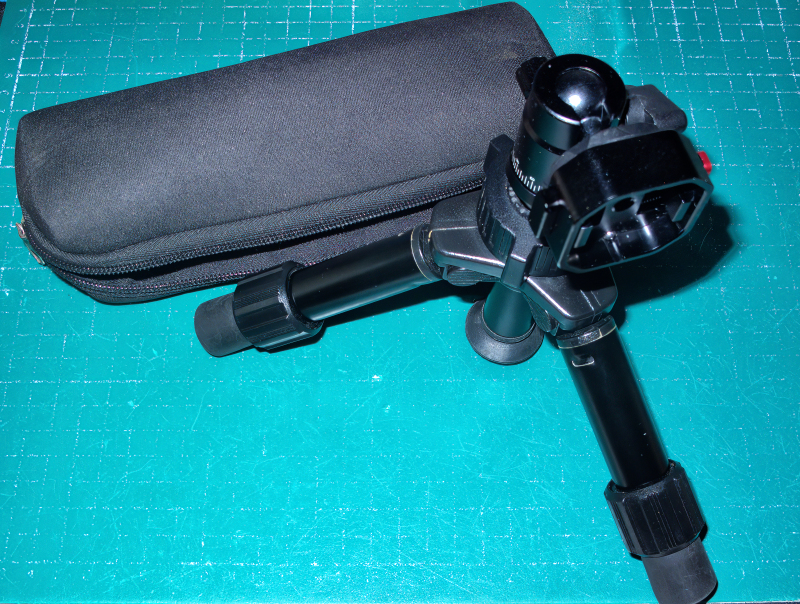
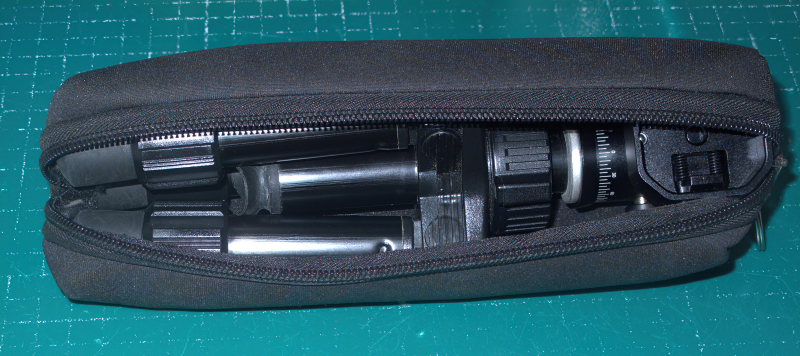
The second lens might come as a bit of a surprise, it’s one of my tiny Lumix 12-32mm (24-64mm equivalent) lenses. My reasoning for taking this lens over a faster fixed focal length prime lens are several-fold. Firstly, apart from my Olympus Body Cap lenses, it’s just about the smallest, lightest lens that I have. After I’ve been out all day, I ache and I’m tired, I want a very small, (at about an inch long), lightweight lens to take with me in the evenings when I’m strolling around and chilling with a meal and a beer (or two) whilst watching the sun setting. πŸ™‚ Secondly it’s wider at the wide angle end so it’ll compliment my 14-150mm and it’s a very useful walkabout focal length range. Lastly it’s a backup lens in case something should happen to my bigger zoom. From my experience both of these lenses are capable of producing very good images. When mounted on the camera this lens fits inside my small Wandrd Tech Pouch along with a spare battery, a couple of lens wipe sachets and my very small adapted table top tripod, all I need. I have in the past happily shot all day with this lens and never felt in any way disadvantaged.

Lumix 12-32mm – Carshalton Ponds, UK.

When I mentioned that I’m taking two lenses, I’m actually taking three. I’m also taking my Olympus 9mm (18mm equivalent) fixed f/8 aperture body cap fisheye lens as it’s such a fun lens to play with, takes up next to no space in my bag and is extremely lightweight. I hardly think of this as a lens as it’s not very much larger than a body cap. but it is capable of producing nice results. I usually select the hyperfocal distance focus setting on this lens for most shots and use focus peeking to check focus when required. Like the 12-32mm it’s also a highly inconspicuous lens.

Olympus 9mm body cap fisheye – Worthing, UK.

I’m not really into interior photography although, when travelling, I’ve visited many beautiful churches and taken interior shots most of which have never subsequently seen the light of day. I guess that I find myself largely at odds and uncomfortable with the contrast between their often ostentatious opulence compared to the relative wealth of the populace. “Buying a stairway to heaven” comes to mind. I am certainly not anti-religious, everyone has a right to peacefully believe whatever they choose but what are far more of personal photographic interest are often unexpected finds, more telling, intimate-scale, humble places of worship, small churches, shrines etc..

Kind regards

Leigh

Seafront Brighton and dual Battery/ multi SDHC Card Case update.

Hi everyone,

Taken from the Palace Pier. As per my previous Brighton shots taken with my Olympus OM-D E-M5 II camera and M.Zuiko 14-150mm II lens. Full size image as always here on my Flickr page : https://flic.kr/p/2pLzQpA

I’ve taken delivery of my new dual battery and multi SDHC card case. Looks like it’ll do the trick. As I thought, the latches and hinges are quite a bit sturdier than the ones that I’ve been using. .After I took these shots I did add a prominent “THIS WAY UP” Dymo label to the top of the box so as to prevent accidentally opening it the wrong way up and having one’s batteries and cards falling out! πŸ™‚ as, confusingly for someone of my age πŸ™‚ , the latches open the opposite way round to the ones that I’ve been using. The case looks like it’ll stand up well to a few knocks and bumps and, although not sold as watertight, I’m not worried about the possibility of water getting in in day-to-day usage as the case closes securely. When the case is inside my camera bag and also a rain cover should it be necessary there’s no way that rain water is getting to my batteries and cards. Case or no case, never a good idea to drop one’s batteries in a pool of water! πŸ™‚

Kind regards to all

Leigh