Olympus M.Zuiko 9-18mm f/4-5.6

Hi everyone,

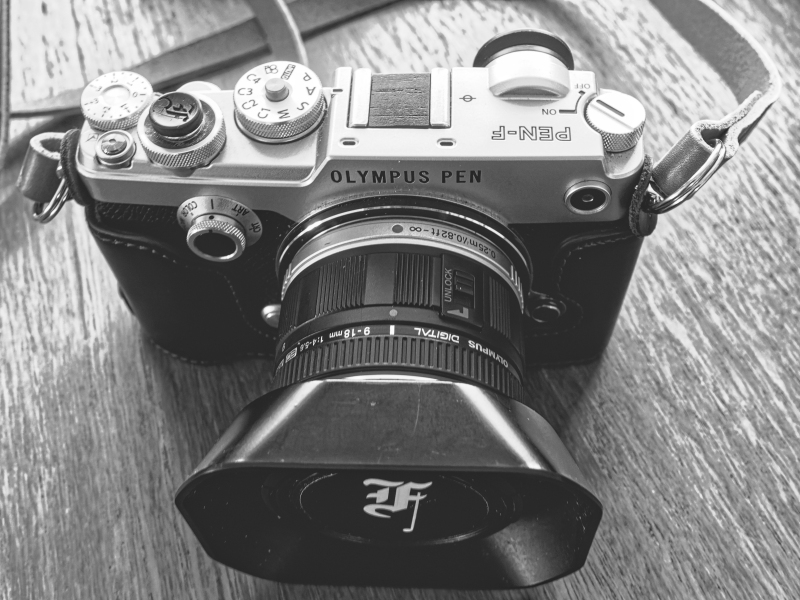
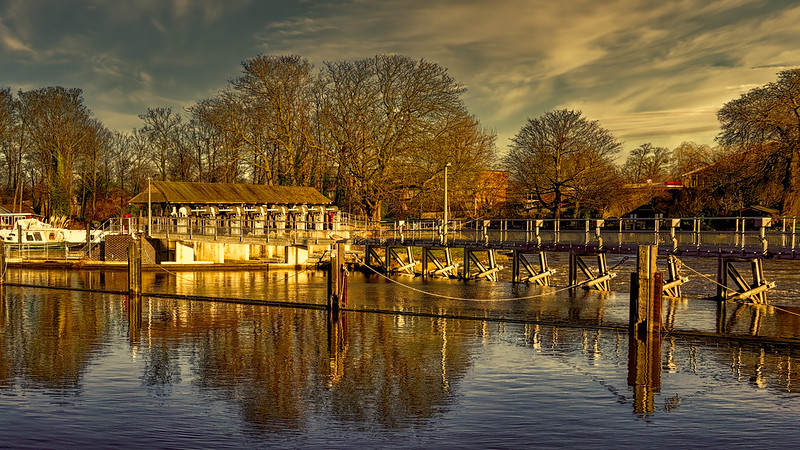
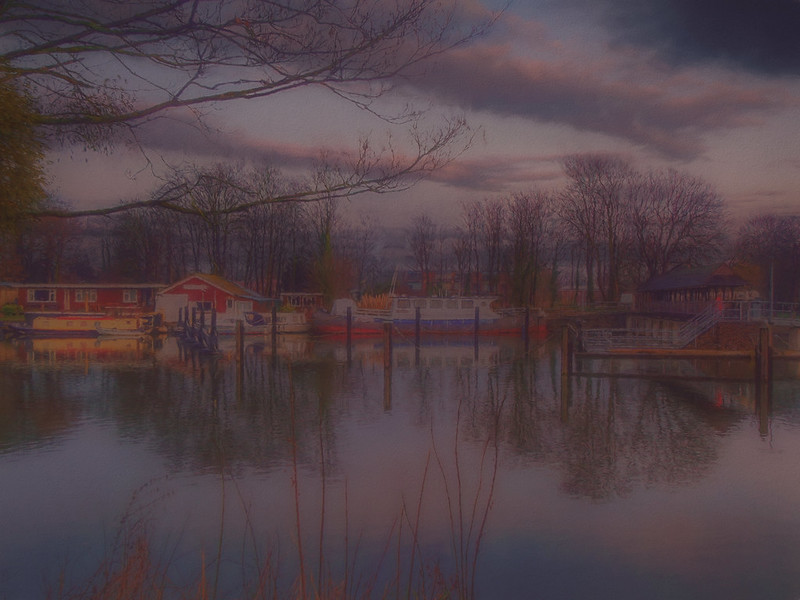
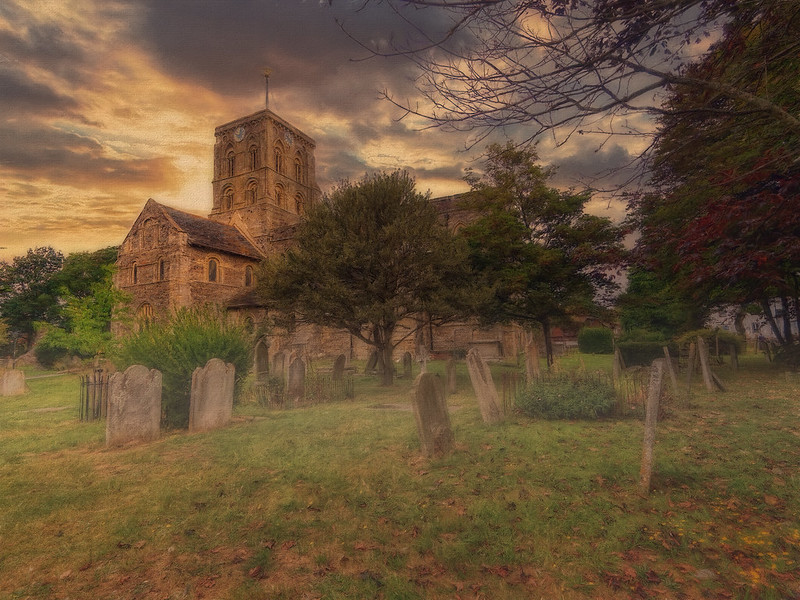
I’ve owned this lens for quite a few years now and never really written much about it. With its 18mm-36mm full-frame equivalent focal length range it makes a great travel/walkabout lens if one likes taking street shots, landscapes, architectural and interior shots. Its very small and light at 154 grams and 49.3mm when in it’s collapsed transit position as shown above. Some may not like its plastic construction, although it does have a metal lens mount, or its switch to lock the lens. You don’t use the switch to extend the lens it is used when one wants to fully retract the lens and lock it in this position. It’s also not a very fast lens at f/4 at its widest and f/5.6 at its tele setting but it is very sharp and extremely versatile. It covers the popular full-frame equivalent wide angle focal lengths of 21mm, 24mm, 28mm and 35mm. As a useful bonus the lens accepts 52mm filters and the lens hood is a bayonet-fitting aftermarket one from JJC at a much lower cost than the proprietary one from Olympus, I refuse to pay Β£30 for a bit of plastic when they should be included with any lens. I can thoroughly recommend this lens for any Micro Four Thirds system users wanting to get a compact, lightweight ultra-wide angle lens at an affordable price especially if, like me, you find one second hand at a good price. Here’s a few shots I’ve taken with this lens. Over the years I’ve taken some of my all time favourite shots with this lens.

Kind regards

Leigh

Billingham Hadley Digital camera bag, first thoughts.

HI,

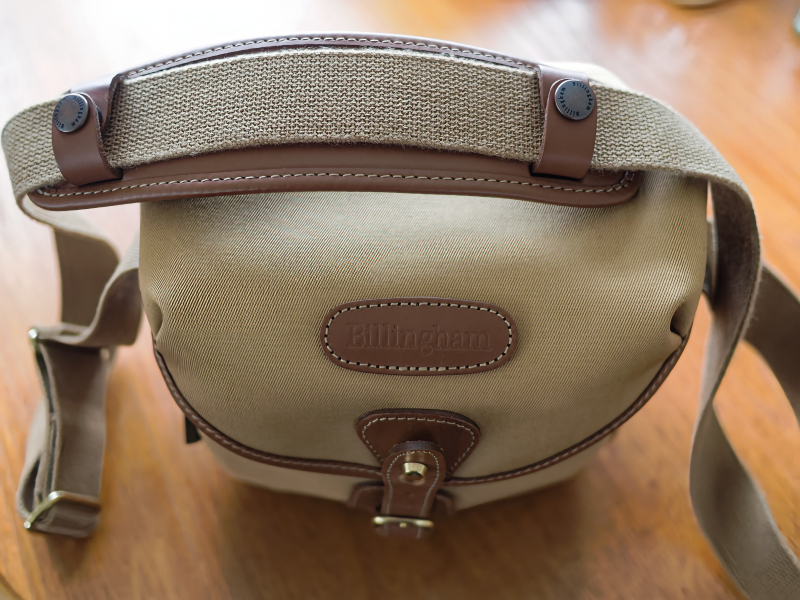
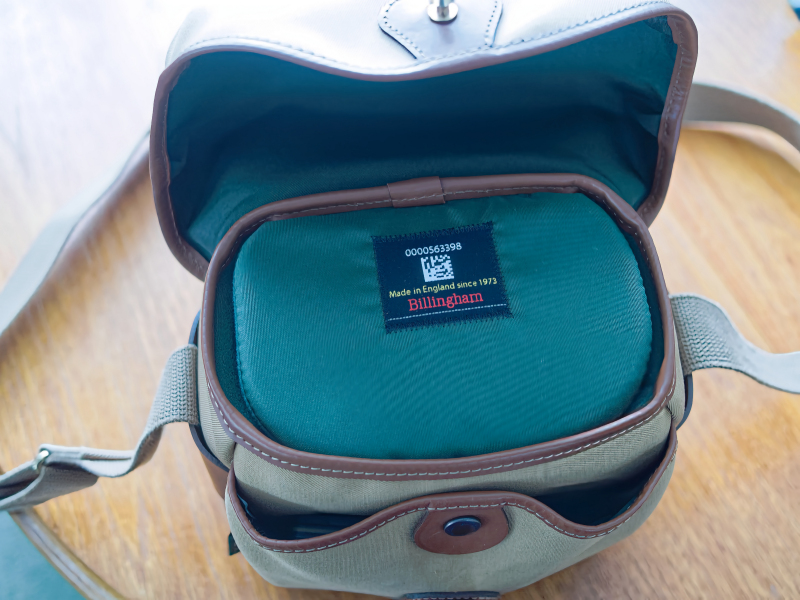
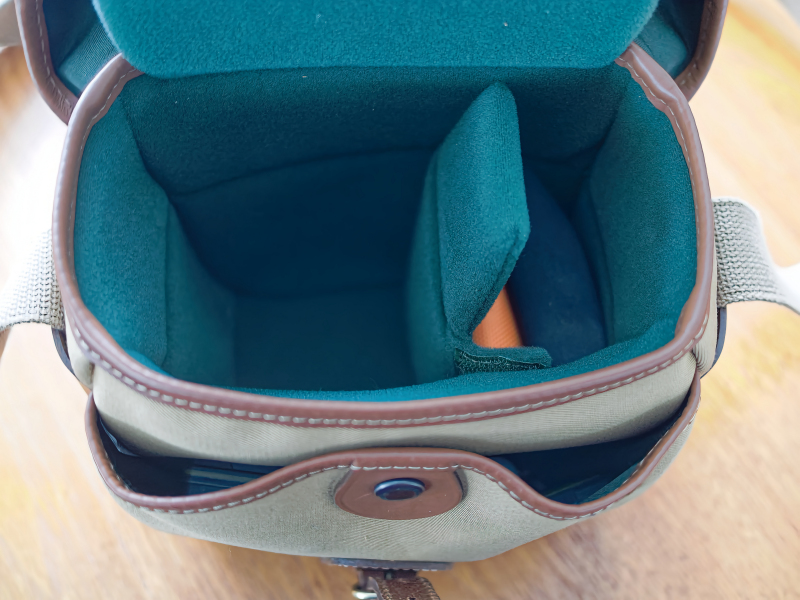
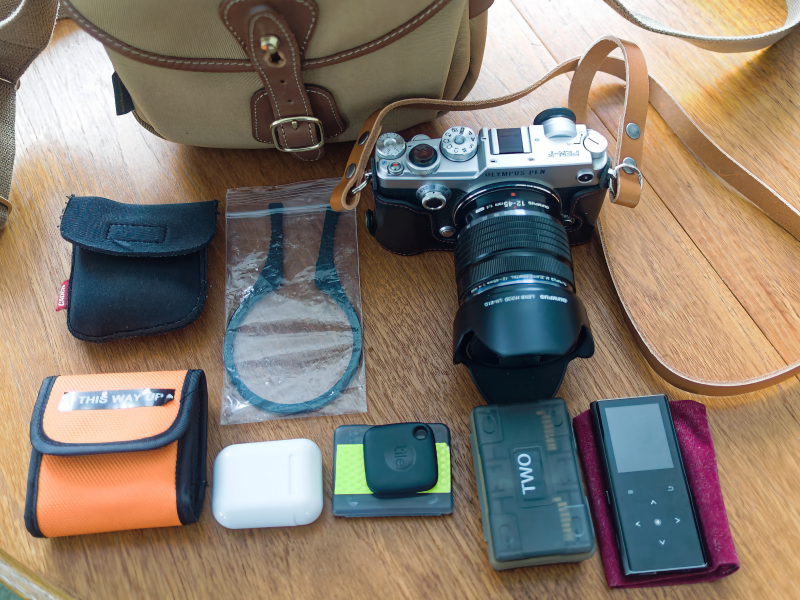
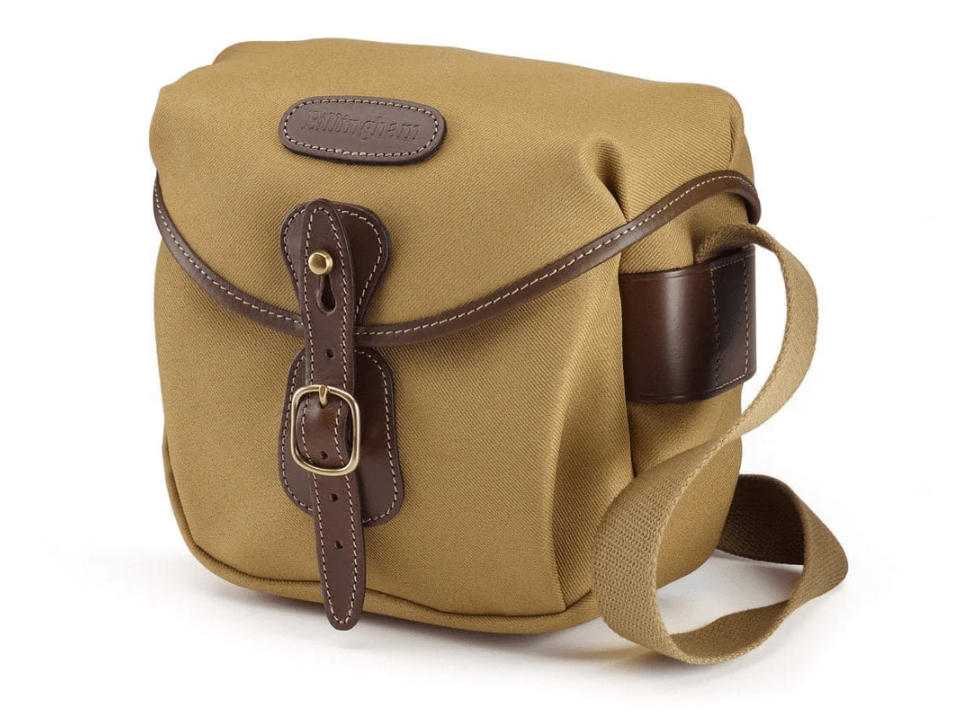
I took delivery of my new camera bag. The bag, is, as I knew it would be, superbly well made. It’s in excellent condition without a mark on it, a great second hand buy. One of the two internal dividers was missing but that doesn’t bother me for the price paid and they do spares if I choose to get more. A brilliant added bonus was the inclusion of the matching SP40 padded non-slip leather shoulder pad which, if bought as an accessory, is quite expensive. The big appeal of this bag, apart from the excellent quality of materials and manufacturing, is the extremely well padded plush interior with padded top, the good-sized front pocket which holds quite a bit and its weather proofing and it should be perfect for my day-to-day requirements, also no more zips, velcro and fiddling around fitting and removing rain covers!. I chose to try it for size with my Olympus PEN-F camera fitted with my M.Zuiko 12-45mm zoom with lens hood attached and it fits very well as the bag has some height to it which is another reason why I wanted it. Below a few shots of the bag and contents, if I was packing for a lengthier trip I’d probably squeeze in a small USB power bank and an extra spare camera battery into the front pocket and additionally pack one of my small, fast standard prime lenses in the main compartment if I get another padded divider.

PEN-F camera with 12-45mm lens attached, small four filter pouch, neoprene pouch containing lens brush, lens wipes and microfiber cloth, filter wrench as I’ve started to use filters more frequently of late, Tile Mate bluetooth tracker, spare camera battery plus two extra SDHC cards in a waterproof battery case, small cheap MP3 player and bluetooth ear buds as I occasionally like to listen to some music on my travels.

Kind regards

Leigh

I bought a Billingham Hadley Digital camera bag.

Hi,

Back in the late 70s I bought one of the first Billingham 550 model camera bags ever made eagerly waiting weeks for it to be made and delivered as they were on lengthy back order such was their demand. It was a great bag, pretty large, quite heavy, but aged about twenty I was able to carry a lot more weight than I can now, it was really beautifully made and, at that time, it ticked all the boxes for me for a camera bag. It certainly wasn’t cheap even then given what I earned in those days but it was such a quality camera bag, it just screamed quality the second that one laid one’s eyes on it. I’ve been looking for a small camera bag specifically for a trip that I’m planning for later this year and I re-discovered their bags and I found one of these second hand at a very tempting price so I’ve ordered it. For my minimalistic requirements carrying just a small micro four thirds camera, one or two small lenses and a few essential accessories, spare batteries etc., I think that this bag will fit the bill very nicely. It’s pretty nigh impossible to find a bad review of Billingham camera bags, they’ve been making bags for fifty years and my experiences back then would bare this out completely. A quality UK product made from top quality materials, multi-layered waterproof canvas without the need for a separate rain cover, protective well padded interior and dividers with leather and brass fittings, arguably the best made and longest lasting camera bags that money can buy and the perfect stylish but still discrete companion to compliment my passion for retro-styled cameras and lenses πŸ™‚ with the added bonus that to anyone not in the know it doesn’t look very much like your typical camera bag.

External Dimensions: W210mm (8¼”) x D130mm (5⅛”) x H210mm (8¼”) Internal Dimensions: W180mm (7⅛”) x D100mm (4β€³) x H170mm (6¾”) Capacity: 2.50 litres (0.09 feetΒ³) Weight: 0.47 kgs (1.04 lbs)

Kind regards

Leigh

Analogue and digital worlds.

Hiya,

Using my manual focus lenses quite a bit recently and, maybe even more so, my manual flash gun from time to time has made me stop and think about the whole analogue digital thing. I don’t necessarily mean the quality of digital vs analogue I’m thinking more about the experience. I’ve readily embraced most modern technology in all my interests but, trying as hard as I can to set nostalgia aside for a moment, there are things that I do miss. Digital gear has made my life simpler in many ways, I can play my digital drums to my heart’s delight with next to no noise and just a pair of headphones on and I can choose from a huge selection of kits for different genres and further customise them to suit my personal taste in a way that I could never afford to do. I can and have talked to other radio amateurs all over the world without having to spend huge amounts of money on transceiver equipment and having to have large external aerials, prone as they are to come crashing down in high winds, sadly I talk from experience 😦 . I still marvel at being able to get 1000 or more images on a tiny memory card and see and work on the images pretty much immediately, I can download music straight to my PC or phone and hear it immediately all of which is more than just a matter of convenience.

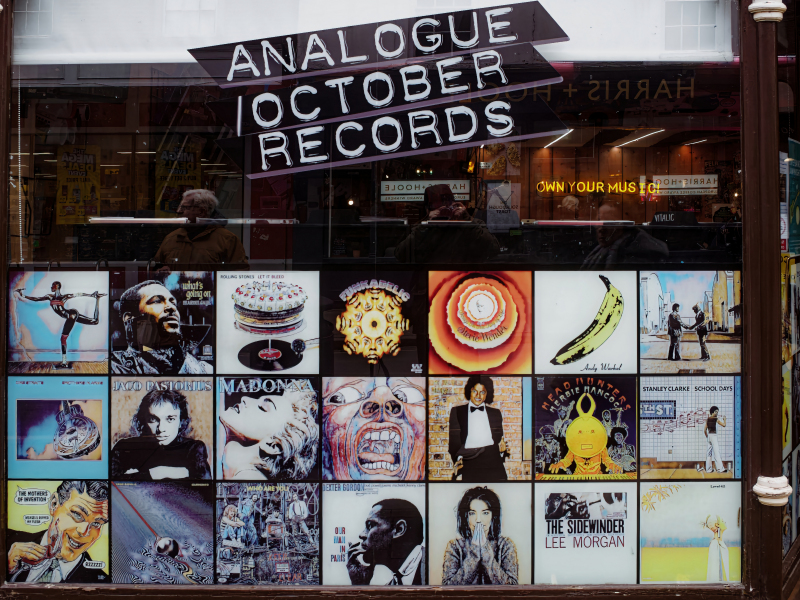
However, there are things that I miss, so much of the tech. seems to promote not having to be bothered to learn any theory or, to put it another way an “I don’t care how it does it, it just does it” attitude which I think is a great pity. I appreciate that not everyone wants to get “under the bonnet” and invest any time an effort in learning what makes things tick and how to get the best out of one’s gear and one’s pastimes but it’s something that’s always interested me and the learning process can be incredibly rewarding and relevant. For all of it’s convenience there’s still something enjoyable about slowing down and seeing a shot come into focus or going to a record shop and thumbing through the used (I can no longer afford new) πŸ™‚ “vinyl” on the shelves, spotting an unexpected find and coming away with something in one’s hand. I guess that it’s things like this that have driven the recent trendy revival in film cameras and records decks etc.?.

I’ve tried my best to separate nostalgic feelings from convenience but I’ve found that it can become somewhat detached and soulless if one lets it. Talking of record decks or “vinyl decks” as they’ve now come to be known, I wonder how many people who buy them even take time to understand or bother setting them up correctly so as not to plough furrows in one’s records? or see the arm go skating off of them, I certainly would at today’s ridiculous prices!. in the same way as how many are interested in the exposure triangle and it’s importance in understanding and mastering basic photographic techniques?, how many digital cameras ever come off of full auto mode and/or auto-focus?.

Well, that’s my ten pennies worth πŸ™‚ , we live in a digital world with all of its many advantages and I wouldn’t put the clock back and I’m not dismissing modern technology out of hand much of which has opened up interesting new possibilities but I’m glad that I’m old enough to remember and still savour technology from the analogue world that I grew up in which taught me so much and given me so many enjoyable and rewarding experiences which I feel, on balance, has enriched my life. As a slight aside it’s interesting when I’m out and about with my retro-looking camera gear observing the looks I get from people of different generations, as a generalism, Baby Boomers and Generation X seem to be nostalgically interested in the look of the gear, Millennials/Generation Y seem to think that it looks “cool” and “interesting” whilst Generation Z and even more so, Generation Alpha, largely dismiss it (and probably me) as old and crappy tech. πŸ™‚

Kind regards

Leigh

TTArtisan 23mm f/1.4 lens test shots.

Hi everyone,

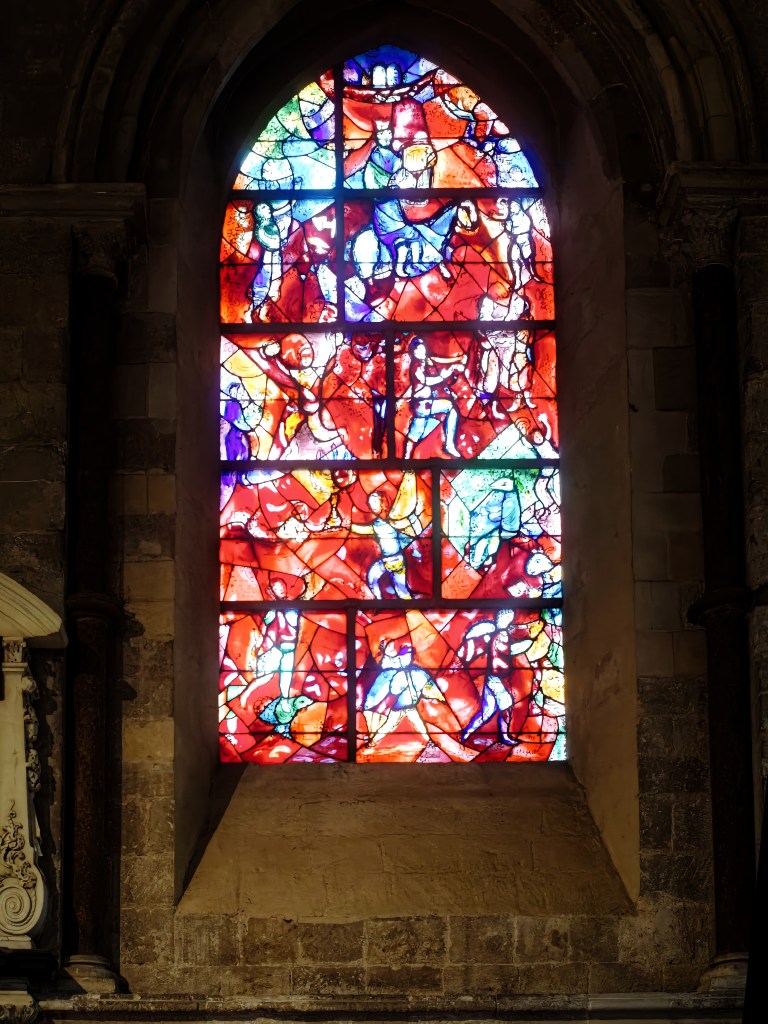
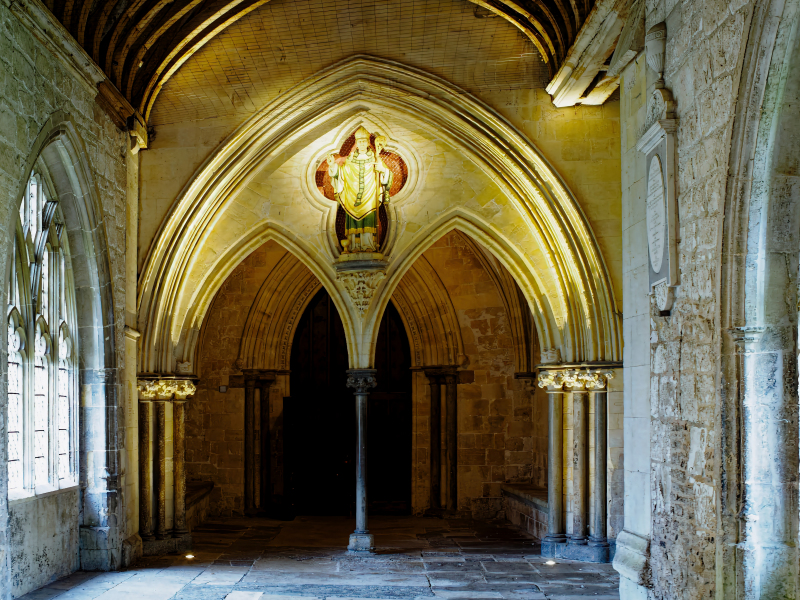
I took my new TTArtisan 23mm f/1.4 lens for a test drive this morning in Chichester. All shots taken on my Olympus PEN-F camera at f/5.6 plus Kenko 1.0 black mist filter, with minimal processing for sharpness, noise reduction where appropriate, correction for converging verticals and processed with a Fuji Astia+ film emulation LUT. Not bad for an Β£83 lens. πŸ™‚ I could improve more with additional processing but I wanted to keep things as basic and simple as possible for the purpose of testing. As I thought it might be this lens is a lot of fun to shoot with. Zone focus at about 7m at f/5.6 and everything is acceptably sharp from approx. 3m to infinity. The lens is a bit soft even at f/5.6 more so with the filter fitted but nothing that cannot easily be corrected in post. I only wanted the filter on for the interior shots taken inside the Cathedral.

Kind regards,

Leigh

Quality genuine leather camera strap from a UK company at a great price.

Hi everyone,

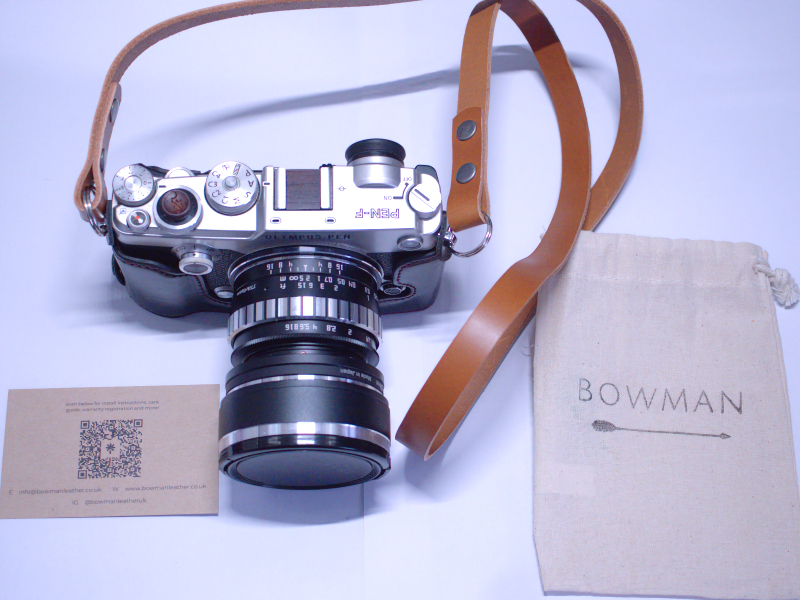
I just took delivery of a new handcrafted leather camera strap for my PEN-F camera made by a UK company called Bowman Leather: https://www.bowmanleather.co.uk/ . They do quite a range of straps and I’m very impressed with the quality of materials and workmanship, the attractive “organic” cloth, and not plastic, drawstring bag inner packaging and the very fast 24 hours tracked dispatch at a very fair price. Great to see a UK company producing quality items like this. I chose their Stride – Thin Leather Camera Strap in Mid Tan colour which I think looks great on my PEN-F camera and they have several other colours available. I’m delighted to see that they use traditional manufacturing methods and sustainable materials and they offer a 10% discount for new customers as well as a plant a tree policy. This strap is comfortable, pretty supple and should last me a long time, they have a 10 year warranty policy so they must be confident about the quality of their products.

In these days when just about everything seems to come from China I’m more than happy to pay for a quality product like this from a UK manufacturer. As always, this review isn’t solicited in any way and I paid for the item from my own pocket.

Kind regards

Leigh

Olympus PEN-F, a passion.

Hi everyone,

What follows is probably going to sound more than a bit flowery and nostalgic but it’s true to my feelings. When Olympus released the PEN-F camera all I could do was look longingly and admiringly at pictures of it and marvel at its beautiful retro rangefinder looks. That’s all I could do as I certainly couldn’t afford to buy one. Years later I found one going second hand in mint condition at a price I absolutely couldn’t resist and so I took the plunge. It was a very long time since I was that excited to see any piece of photographic gear arrive on my doorstep.

This camera, more than any other camera I’ve owned in years, has served to reignite and fuel my passion for photography. One only has to look at it and hold it in one’s hand to get a buzz of excitement. Every time I use it I’m transported on a journey back and I’m seventeen again using my first Olympus 35mm film camera. Of course this is my very personal experience, not only does the camera look a thing of beauty it has everything and more that I require in a camera. If it wasn’t such a joy to use I’d put it in a display case where I could sit and look at it’s beautiful looks but that’s not what I bought it for. πŸ™‚
This camera is just made for anyone who shares my passion for classic styling with the obvious benefits of modern technology. I don’t know if we’ll ever see its likes again, this camera has achieved cult status in a relatively short period of time. No camera is perfect but it suits my needs and comes as close as I’ve ever experienced to the simplistic joy of taking photographs. There’s something indescribable about the feeling one gets when using it.

Kind regards

Leigh

I bought a new lens, TTArtisan 23mm f/1.4.

Hi everyone,

I’ve been looking at this lens for some time now and finally decided to pull the trigger and purchase one for Β£83 UK with free delivery from the manufacturers in China, when it comes to such things it doesn’t get much cheaper than that πŸ™‚ . The lens is the manual focus TTArtisan 23mm f/1.4 which, as a 46mm full-frame equivalent, should fit in nicely with my favourite focal lengths. The lens gets pretty good reviews across the board as long as one is aware of it’s limitations and stopping down to f/5.6-f/8 would seem to be the accepted way of getting the best out of it but that’s probably true, to a greater or lesser extent, for a good many Micro Four Thirds lenses. I’m very much enjoying a retro “filmic-look” experience right now both in gear and in processing and I’m really liking using lenses with less than clinically sharp rendering and saturated colours as is the case with my other TTArtisan lenses. When I say that I’m enjoying the retro-look I think that I always enjoyed it even back in my film days when it was current and not “retro” and I shot with Fuji, Kodak and Ilford films on small, solidly-built, lightweight Olympus 35mm film cameras and lenses. πŸ™‚

I can happily live with such things as less than tack sharp edge-to edge/corner to corner sharpness, vignetting, slight barrel distortion, chroma etc. it doesn’t bother me in the slightest that’s what gives these kind of lenses character. πŸ™‚ The thing is that now, thanks to modern digital post processing one can correct for these sort of things as and if one wishes something that simply wasn’t possible back in the analogue days when it really was a case of what you got was largely what you lived with. I’m really looking forward to trying it on my all-time favourite digital camera my Olympus PEN-F, a modern classic in itself. I’ll post my experiences with the lens and some shots when I’ve been out and tried it. I think that it’ll make a nice compact manual-focus companion to one of my similar focal length auto focus lenses such as my Olympus M.Zuiko 17mm and 25mm f/1.8 or my Panasonic Lumix 20mm f/17,

Kind regards

Leigh

Revisiting manual focus lenses.

Hi all,

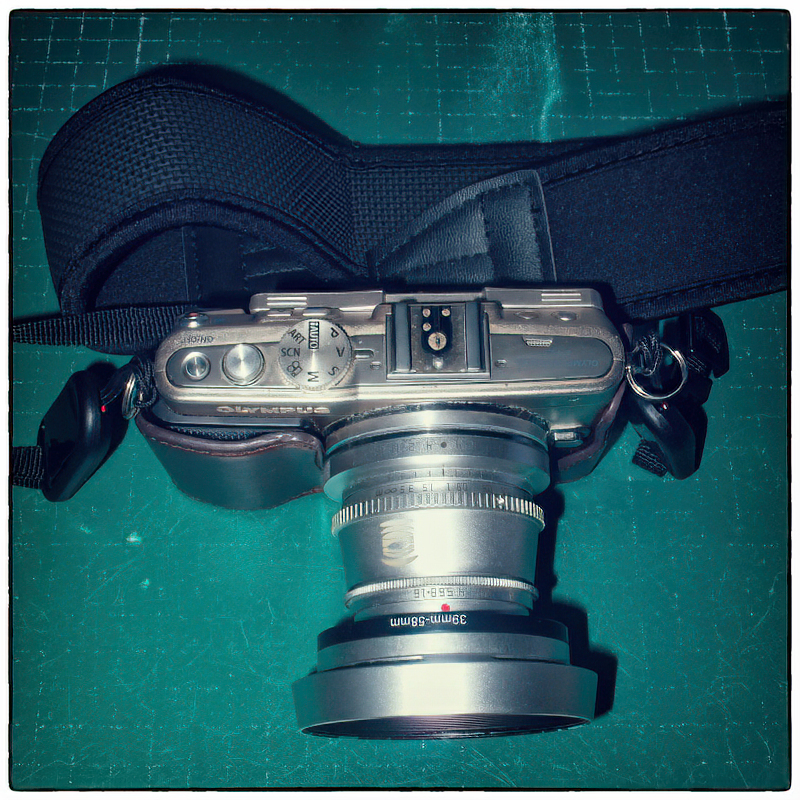
Just lately I’ve dug out my TTArtisans manual focussing lenses, my 17mm f/1.4 and my 35mm f/1.4. It’s been a long time since I only packed manual focus lenses. Whilst I fully appreciate the value of autofocus especially when it comes to ultra quickly nailing focus, there’s something about manual focusing. It hard to put into words exactly but it’s not a hinderance given my typically slow-paced landscape photographic interests where I’m not capturing fast action or have the need to zone-focus. Not only has it taken me right back to my film days but most importantly it has slowed me down and somehow concentrated my mind and involved me more in the shot. Of the two lenses I surprisingly prefer the longer focal length which equates to 70mm in full frame terms. They both have their quirks but this gives them some character, they’re not the “sharpest tools in the box” and, if edge-to-edge image quality is absolutely paramount, then “these aren’t the lenses you are looking for” πŸ™‚ but, for the price, they’re a lot of fun and a good buy. I decided to pair them with my old, largely redundant, Olympus E-PL5 camera in order to make things as compact and lightweight as possible. I’ve fitted step up rings and lens hoods to suit my preferred filter size of 58mm.

I call this my “Silver Machine” πŸ™‚ Olympus E-PL5 and TTArtisans 35mm f/1.4 lens.

Kind regards

Leigh

The joy of small, lightweight cameras and lenses.

Hi all,

Lately I’ve been drawn more or more towards my smallest cameras and lenses such as my Olympus Pen E-PL8 camera. For many years now I’ve realised that I hate carrying heavy kit, what’s taken me a lot longer to somewhat reluctantly fully come to terms with is that it’s not just a case of likes and dislikes but that I can no longer physically do so. Fortunately my photographic interests lend themselves to small cameras, small lenses and a small camera bag to carry my gear in and that, for me, has always been the beauty of the Micro Four Thirds system it’s what first attracted me to it and as my physical health has changed I’m more than glad that I did so. Just about all modern cameras and lenses are extremely fully-featured and capable of producing excellent results. The system is also blessed with an excellent selection of very small and lightweight lenses which suit my purposes pretty much exactly.

I always chuckle when I hear terms like “entry-level” and “kit lens” used to describe gear made for casual usage and suited for “noobs” and those who don’t take their photography seriously. In my opinion they’re more than often hyped-up marking terms designed to make one feel the need to upgrade to more expensive gear in the belief that more expensive gear makes better photographs or at least that’s how it’s often perceived as if the person behind the lens doesn’t figure in the equation. I’ve got a 4ftx3ft framed landscape picture on our living room wall which has all the detail that one could want taken on a 16 MegaPixel sensor-equipped “entry level” camera πŸ™‚ . It’s not about the gear, it’s about what one “sees” and how one uses it. If I take a shot that I’m not happy with it’s me that’s at fault, not the camera or the lens’ fault.

If one takes the EPL-7 or E-PL8 and similar cameras for example they have just about all the day-to-day features than one could ever want unless, understandably, some genres such as wildlife photography, astrophotography, sports photography etc. demand the use of more specialised gear. Sure many models like the E-PL8 have just an LCD screen, something that I personally don’t like, but add on the optional Olympus EVF and it has the best of both worlds just like it’s bigger and more expensive brethren. It’s metal-bodied, small, lightweight, beautifully styled, discrete and unobtrusive and doesn’t scream overly expensive and, when fitted with a small lens like one of the pancake prime or zoom lenses, it becomes pocketable!. The E-PL10 even has an electronic shutter which is a feature that I use frequently when I’m shooting HDR but, for some reason best known to Olympus, they dispensed with the ability to fit an add-on EVF so I personally wouldn’t buy one purely for that reason.

So, in my opinion, anyone looking for small, lightweight camera gear to carry around for genres like landscapes/cityscapes, portraiture, walkabout street photography and when travelling these cameras and lenses make excellent sense and anyone used to habitually carrying heavier kit will find the experience nothing short of liberating, I certainly have ever increasingly grown to do so.

Kind regards

Leigh