Hi everyone,
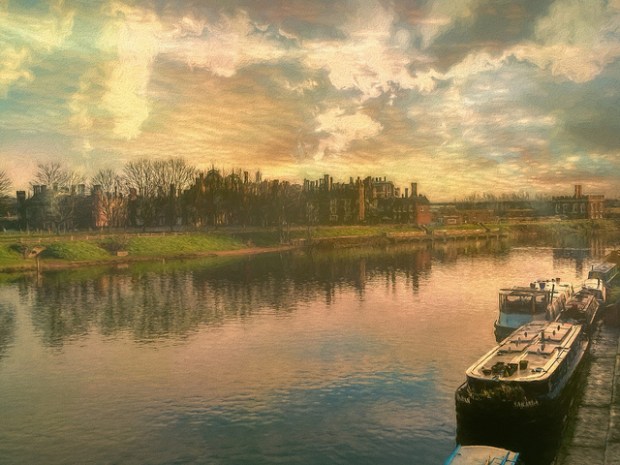
Hampton Court Palace on the River Thames. It’s scenes like this and elsewhere that keep me returning to rivers 🙂
Best wishes,


Hi everyone,
Hampton Court Palace on the River Thames. It’s scenes like this and elsewhere that keep me returning to rivers 🙂
Best wishes,
Hi everyone,
A toned monochrome work of Hampton Court Palace on the River Thames.


My third work this month to be explored on Flickr –
https://leighkempphotoblog.co.uk/flickr-explored/
Kind regards
Hi everyone,
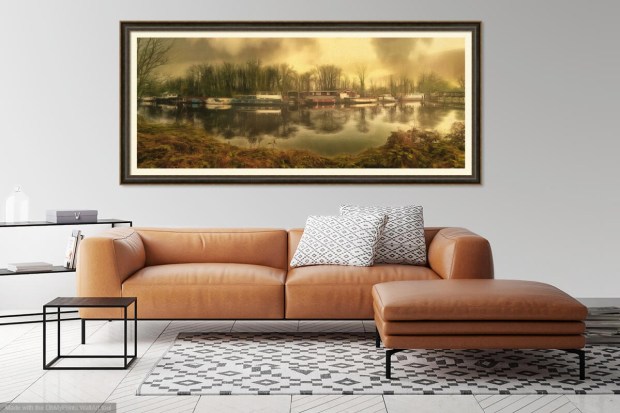
Thought I’d do another panoramic work for a change. Near the lock on the River Thames at Hampton Court.

As always, I’ve linked to a bigger image on my Flickr page.
Best wishes,
Hi everyone,
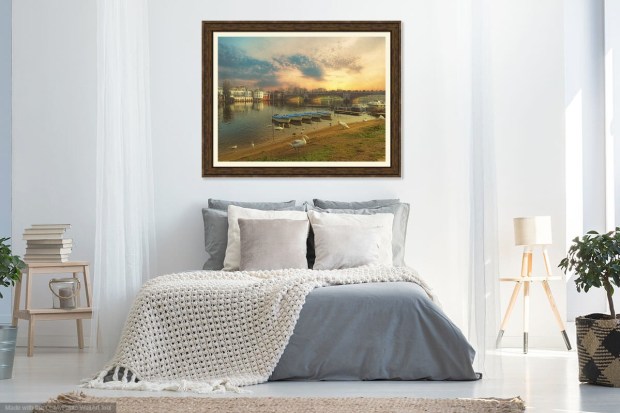
Another work of the River at Hampton Court, not bad for a lens (M.Zuiko 9-18 mm) that gets such mixed reviews especially when I picked up one second hand at half price 🙂

Best wishes,
Hi everyone,
A painterly landscape work of the weir near the lock on the River Thames at Hampton Court.


Hope you’re all having a super weekend, best wishes,
Hi everyone,
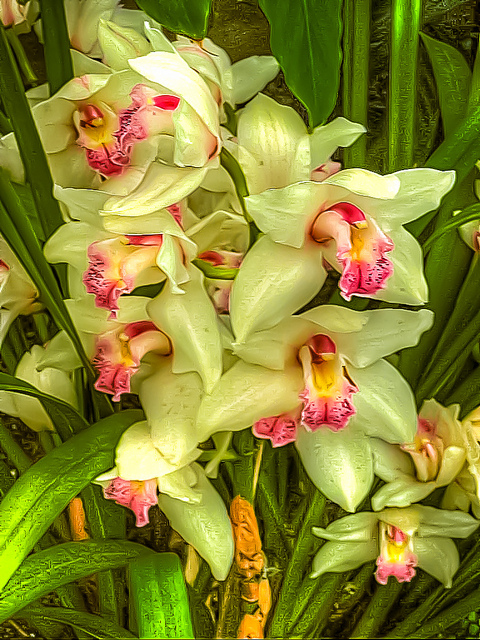
Most of my cameras over the years have been made by Olympus but I’ve also owned both Canon film and digital cameras before eventually returning to the Olympus fold a few years back. One camera that I’ve used time and again though is my Canon Powershot G-10. This camera is a gem, really nice solid brick of a metal body that feels like one is holding a camera with good ergonomics , all the usual modes and controls such as ISO, exposure compensation, built in flash, 14.7 megapixels, RAW, self timer, good battery life and more. Most of the shots of equipment that have appeared on my blog have been taken with this camera. It’s a great backup camera and I’ll be packing it for my next trip. Seen here fitted to my small Manfrotto Pixie tripod.

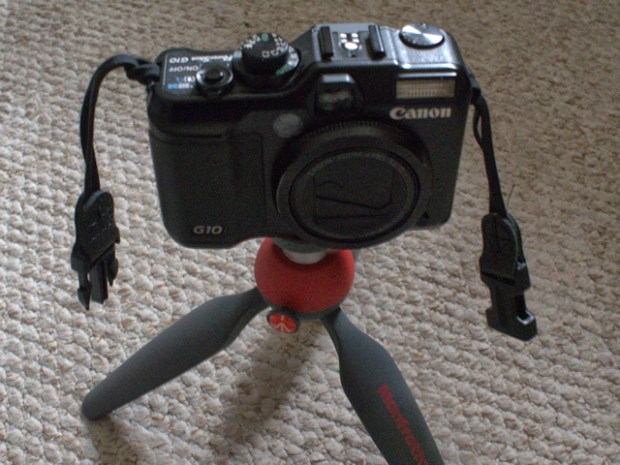

A few shots taken with this camera –



Kind regards
Edit: for those interested I found this review video from a guy who’d owned one for ten year, I’ve owned my one for longer than this. :
Hi everyone,
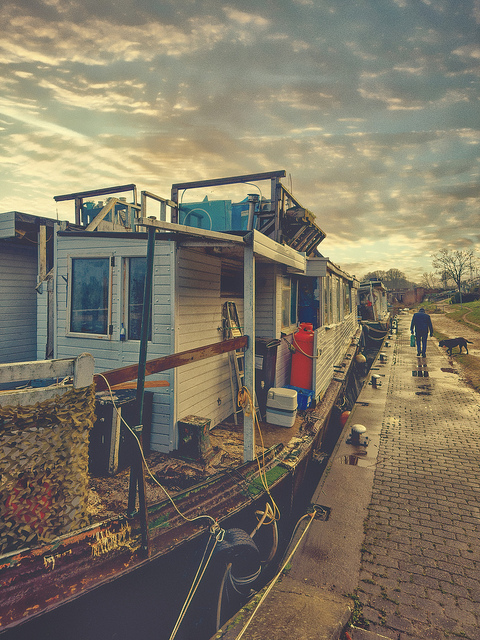
For a change, a straightforward shot of a man walking his dog down the footpath on the river at Hampton Court taken with my new M.Zuiko 9-18 mm lens, this lens is definitely a keeper. 🙂 Carpe diem! 🙂 . I’ve seen reviews that state that this lens is soft in the corners, well, if it is, I for one can live with it. 🙂
Best wishes,
Hi everyone,
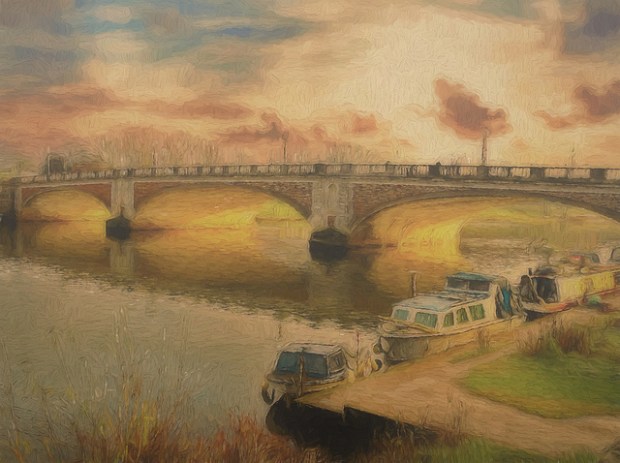
My second new work with my new lens.
All the best,
Hi everyone,
I took my new M.Zuiko 9-18 mm lens out for a test drive this morning. I’m very impressed with this little lens. Traveling lighter than light with just a camera body and this lens. Really enjoyed the freedom of just wandering around free of weight and encumbrance. Seems like an age since I’ve done a monochrome work. As promised –


I’ll post more shots taken with this lens soon.
Kind regards
Hi everyone,
I’ve recently started to think through again what I require from a camera system tailored for my interests, a system designed specifically for landscape/travel. Just about any decent camera and lens should deliver sharp, well exposed images and that, to me, is of paramount importance. Add to that that the camera and lenses should be well-constructed/reliable, small and lightweight as possible with good weatherproofing as I have to carry them pretty much everywhere on foot and that’s about it.
I’m not personally interested in shooting video at any resolution, 4K or otherwise, I don’t do fast action shots or use many of the numerous features available in a modern digital camera and that includes, perhaps surprisingly, the LCD screen. I guess that I’m old-fashioned as I come from a film camera background where many of the features weren’t even dreamed of at that time. The three greatest developments in camera technology for me have been fast, reliable auto focus, improved metering and image stabilisation, everything else I can, and do, happily live without. I don’t in the least bit subscribe to the more and more mega-pixels makes better photos argument (although it most probably does sell cameras) unless perhaps one is shooting pictures destined to be displayed on advertising hoardings. 🙂
I do sometimes however use the LCD screen when I’m using the camera with the rain cover fitted simply because it makes life easier but normally I leave it switched off to extend battery life and I use the electronic viewfinder which I just find more natural and, as someone who wears glasses for reading etc. and has to keep putting them on and off specifically to see the LCD screen clearly, particularly in bright sunlight it’s just totally impractical, by that time the shot has, like as not, gone. One thing I like about the fully articulating screen on my EM-5 mk2 is that one can turn it 180 degrees round so that the screen is facing inwards and thus completely protect the screen. Probably not what the designers envisaged lot’s of folks wanting to do, but I do it 🙂
Now on to filters, put simply, I’ve given up on them as I simply don’t need them for more than the odd occasion and if I do then the only one that ever gets used is an ND filter, typically for its classic usage, to cut down the light and enable me to use a larger aperture/slower shutter speed where otherwise I couldn’t. I can do everything that I require and more in processing. Another thing that I don’t use is any form of in-camera effects, what Olympus call “Art filters”. If one applies them when shooting then one is stuck with them. I know I could shoot one JPEG with filter and a RAW without the art filter but that’s just going to eat up space on my memory card.
I’ve never seen one of these effects that I like, and, to take a simple effect like sepia for example, why get stuck with their idea of a sepia tone when I can, if I wish, apply any number of sepia tones to an image if that’s what I want to do. My thinking is pretty straightforward, start with a sharp, well exposed image from there one can do whatever one likes in processing, one cannot undo what’s already been done.
One thing that I will habitually do is shoot more than one frame of a scene, that’s a great advantage of digital compared to film, one can shoot lots of frames and choose the one that one likes as, when you are somewhere travelling it makes sense to get as many shots as possible. I don’t use the LCD screen to keep checking my shots as I’ve seen others do, what I believe they call “CHIMPing”. 🙂
I think that the biggest mistake that many folks make is the expectation that buying/upgrading to a more expensive camera will magically enable them to get better images. I recently spoke with a friend, who it turned out already had a pretty fully-specified camera who was seeking my advice as to what camera to upgrade to as he had his eye on an even more advanced model of camera. I asked him why and he said that fast moving objects were always coming out blurred. The take home message is investing some time and effort in learning to understand some very basic and time-honoured photographic principals such as setting shutter speed, aperture, light-metering and ISO etc. can and does pay dividends. By his own admission it turned out that he only ever used the so-called “auto” setting,
As I mentioned in a resent posting my travel camera gear including two camera bodies and four lenses weights in at approximately 1.7 Kg! :). In using the Olympus OM-D system I’m still sort of using my OM film cameras but with the advantages that advancements in digital technology have brought to the table but my basic philosophy and requirements haven’t really changed one bit.
By the way, I’ve just been doing a few test shots with my new M.Zuiko 9-18 mm lens and I’m looking forward to putting it properly through its paces, it’s so light and small, perfect!. 🙂 Approximately 2 1/4 inches long without the back cap with a 52 mm filter thread. I’m waiting on a JJC lens hood for it which is, as usual, much cheaper than the Olympus one.

Kind regards
 📷 Digital Art Photography 🎨 : "Paintography" ✈ 👍